Note: Speaker recruitment is currently ongoing. The list of speakers is subject to continuous updates and additions.
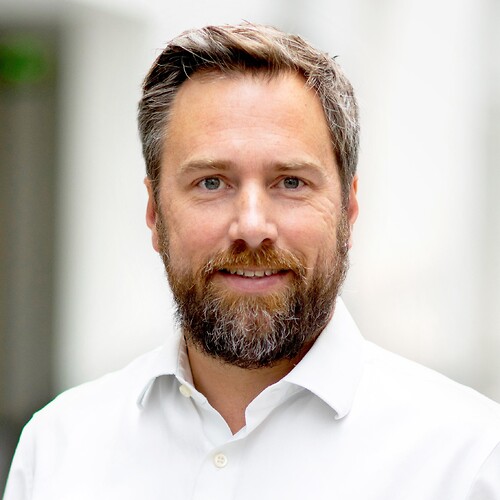
Johan Rockberg
Professor in Antibody Technology and Directed Evolution
KTH Royal Institute of Technology
Johan Rockberg is Professor of Antibody Engineering and Directed Evolution at KTH – Royal Institute of Technology in Stockholm, Sweden. He holds a Master of Science in Chemical Engineering from KTH with studies in Bioinformatics and Biotechnology at the University of Sydney, and completed his doctoral degree in 2008 at KTH with a thesis on bioinformatical and combinatorial methods for the generation and characterization of monospecific antibodies.
Today, his research group works at the intersection of synthetic and systems biology, with a particular focus on protein and cell line engineering for novel curative gene therapies and their scalable bioproduction, including AAV-based vectors, protein vaccine, bispecific therapeutics for cancer and autoimmune diseases.
Routed in protein engineering and synthetic biology his lab leverage engineering of both the drug candidate, using in-house combinatorial libraries, deep sequencing and screening platforms, as well as mammalian cell lines for their production using directed and evolutionary methods.
Rockberg is Director of GeneNova, a Vinnova-funded innovation milieu in precision health with a budget of 114 MSEK, and is PI in several major national centers including CellNova and AdBIOPRO focused on advanced continuous manufacturing.
He is co-founder of 7 spinn-out companies — Atlas Antibodies, Atlas Therapeutics, Abclon Inc. (Seoul), Labrock AB, StrikePharma AB, Auweai AB and AareBio AB— spanning antibody reagents, cancer immunotherapy, CAR-T gene therapy and Precision Patient Segmentation through machine learning.
He is a co-founder of the Korean company Abclon, listed on the KOSDAQ exchange, currently developing CAR-T and antibody therapies, including an antibody combination in global Phase 3 trials for gastric and breast cancer.
He is an elected member of the Royal Swedish Academy of Engineering Sciences and recipient of the 2024 Biotech Builders Award and the 2021 SwedenBIO Life Science Star Award. With over 26,000 citations and publications in journals including Science, Nature Methods, Nature Communications and PNAS, Rockberg represents a combination of scientific depth, institutional leadership and entrepreneurship.
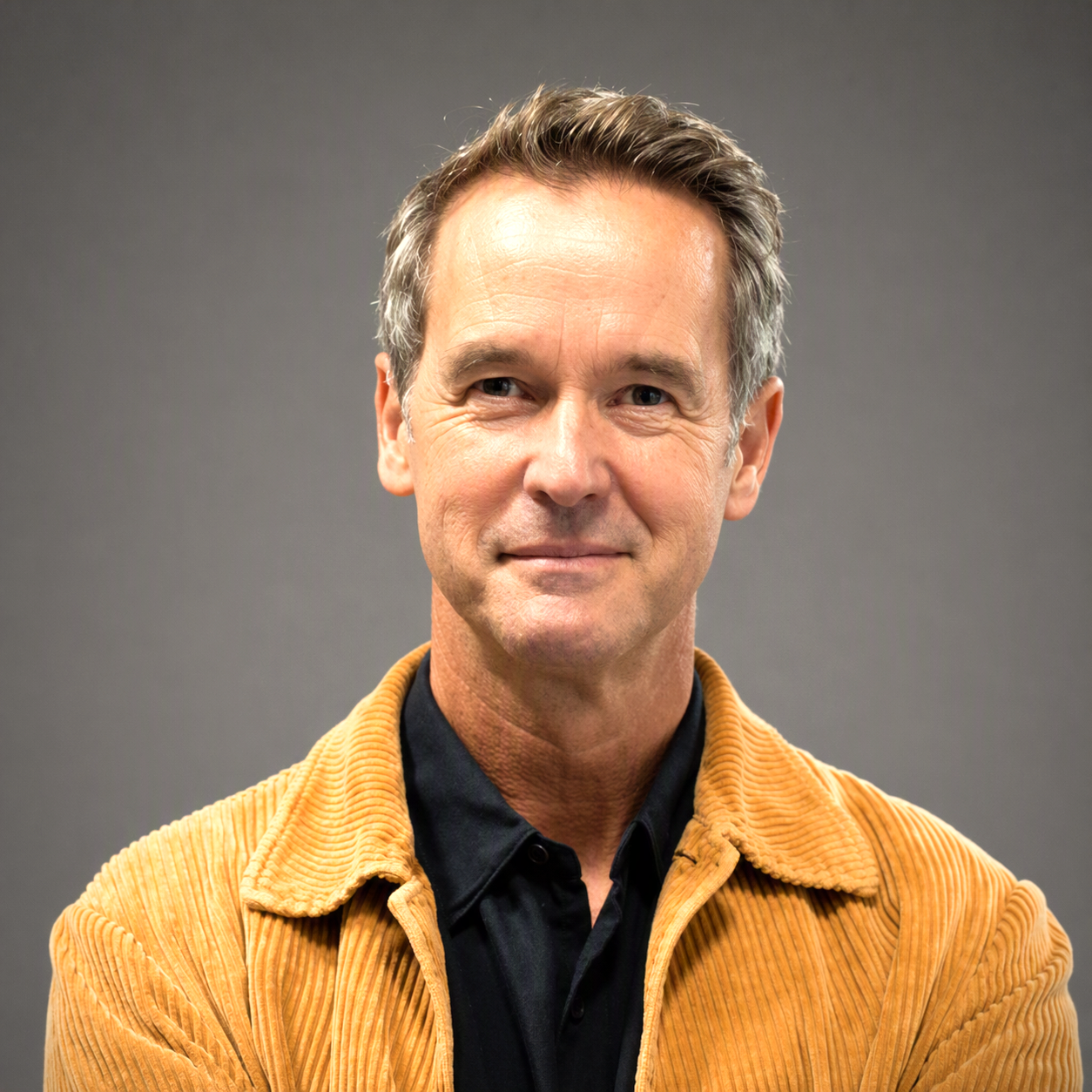
Henrik Ihre
PhD, Distinguished Fellow Resins and Technologies
Cytiva
Process intensification of the protein A capture step is widely pursued to shorten cycle time, reduce footprint, lower cost of goods, and improve sustainability in monoclonal antibody (mAb) manufacturing. Yet processes optimized solely for process development (PD) success may not always translate into robust, transferable GMP processes.
Industry survey data across PD, clinical, and commercial stages reveal that current capture cycle times consistently exceed ideal targets by 20–30%, while upstream titers continue to climb placing growing pressure on the downstream capture step. This presentation examines how PD, MSAT, and Manufacturing stakeholders can align on shared objectives such as speed, predictability, process robustness, and operational simplicity when intensifying protein A chromatography. Here we discuss when and how to apply intensification strategies across the development lifecycle.
Henrik Ihre has been appointed Distinguished Fellow in 2025 at Cytiva and has a with a specific knowledge and background in the Downstream purification of biopharmaceuticals since 26 years back in time.
Henrik joined legacy Amersham Pharmacia Biotech in August 2000, following its acquisition by GE Healthcare in 2004. His career has been devoted to the design and development of several purification products enabling the manufacturing of life changing drugs on the market. Henrik started as a Senior Scientist in the R&D chromatography resin department and later transferred into the role of Product Manager for several key products such as the Protein A portfolio. For more than ten year he headed and expanded the custom consumables organization. During his time in the custom consumable’s organization more than 30 key products where brought to the market which now are a part of the Cytiva downstream offering.
His journey started in Sweden with a Ph.D. in synthetic organic polymer chemistry from the Royal Academy of Engineering (KTH) in 1998. After his graduate studies he spent two years as a Post Doc graduate at UC Berkeley in California, USA working on improved drug delivery systems of cytotoxins before he moved back to Sweden in 2000 joining legacy Amersham Pharmacia Biotech. Henrik is a Swedish citizen living in Stockholm working from the Cytiva office in Uppsala.
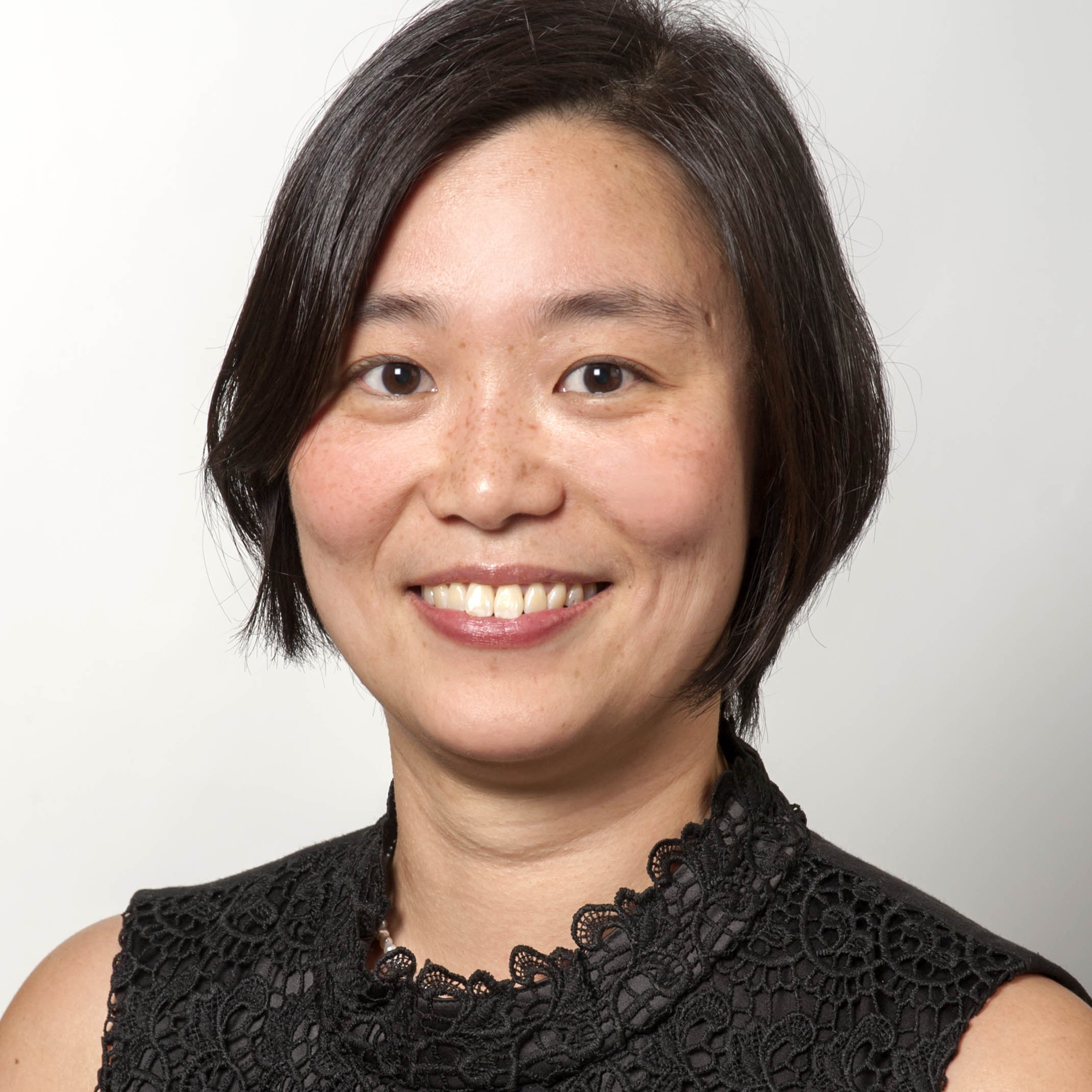
Mei Ling Lim
PhD, MBA, Director Global Business Development
Sanyou Bio
Sanyou Bio is a global biopharmaceutical R&D partner providing integrated solutions to support the development of innovative biologics from early-stage molecules through preclinical development and process optimization. Our capabilities span molecule generation and engineering, developability assessment, cell line development, upstream and downstream process development, analytical characterization, formulation, and scale-up.
By integrating advanced technology platforms with comprehensive wet-lab and bioprocessing capabilities, Sanyou supports the development of diverse biologic modalities, including monoclonal and multispecific antibodies, single-domain antibodies, ADCs, fusion proteins, and other next-generation biologics.
With experience across 1,200+ projects, 2,000+ collaborative clients, 170+ patents, and 10+ CPO projects approved for IND, Sanyou provides flexible R&D solutions for biotechnology and pharmaceutical partners, helping advance promising biologic candidates toward robust, scalable development and manufacturing readiness.
Mei Ling Lim is Director of Global Business Development at Sanyou Bio, where she works with biotechnology and pharmaceutical companies worldwide to establish and develop strategic R&D collaborations. She focuses on connecting partners with Sanyou Bio’s integrated capabilities across antibody and molecule discovery, biologics development, and preclinical R&D, supporting innovative drug programs from early discovery toward IND. Her role centers on understanding partners’ R&D needs and identifying suitable external solutions and collaboration models to help advance the translation and development of innovative biologics.
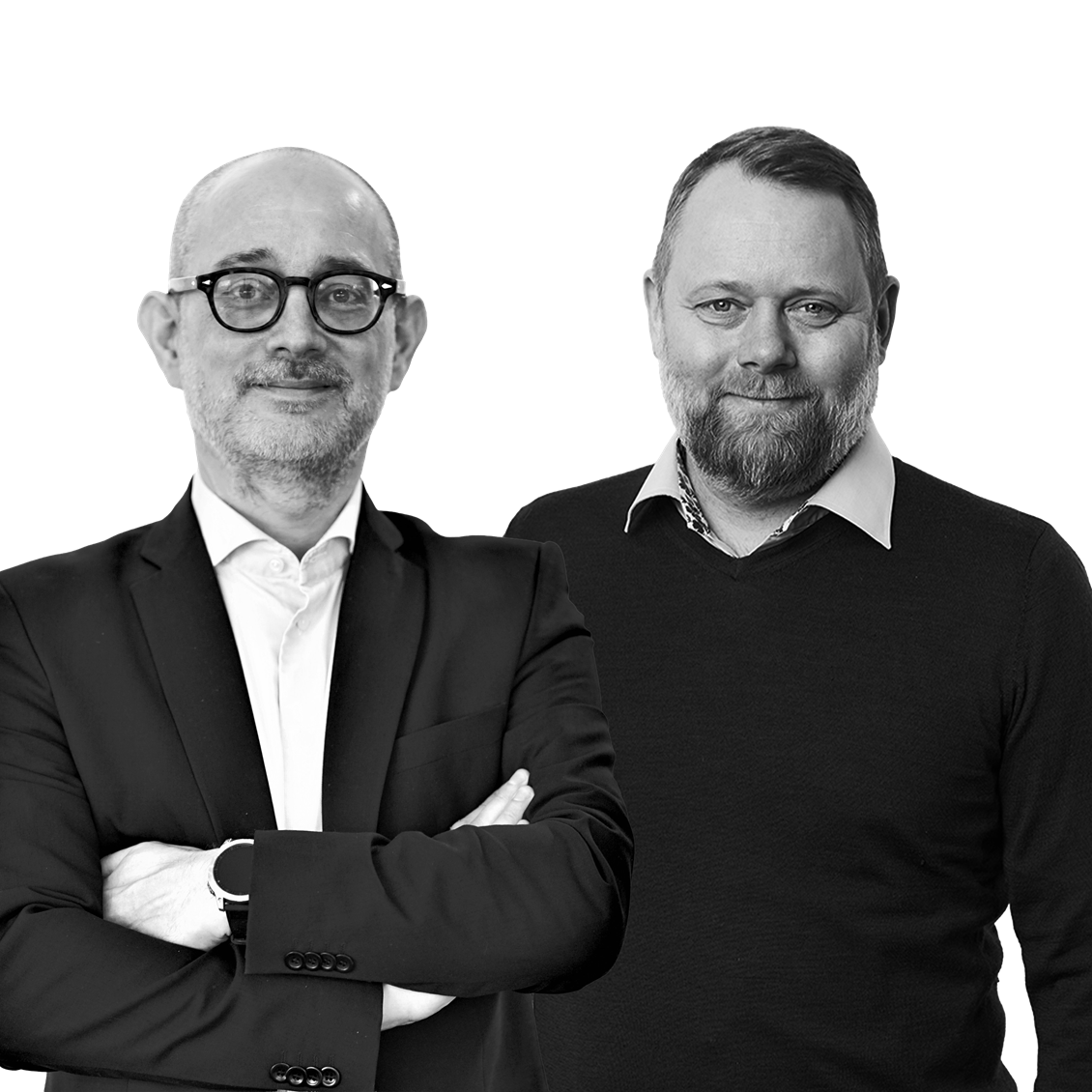
Anders Ernblad
Front-End Design Manager
KeyPlants
Erik Höglund
Business Area and Sales Manager
KeyPlants
For many emerging biotech companies, establishing in-house manufacturing can feel out of reach. The vision may be clear, but the cost, complexity and risk of building a pharmaceutical facility can quickly become a major barrier.
But what if you did not have to build the facility you may need five or ten years from now?
This presentation explores how biotech and advanced therapy companies can start with a small, fit-for-purpose production unit and expand it step by step as demand, funding and the business grow. By combining compact production pods with modular facility solutions, capacity can be added over time without requiring the full investment upfront.
The key is to build what you need today, while designing for tomorrow.
The session will show how a phased modular approach can lower the initial investment threshold, reduce project and financial risk, and make owning your manufacturing capability more achievable than you might think.
Anders Ernblad has more than twenty-five years of experience in engineering projects, especially for the Life Science industry. He has a deep knowledge of the challenges in designing, engineering and building GxP-regulated facilities for different purposes and technologies having taken on roles as Project Manager and Director, Design and Engineering Manager and various SME roles in small and large life science projects for clients ranging from small start-ups to major global players in the industry. He is also the chairman for the CoP (Community of Practice) for Project Management in the Nordic affiliate of ISPE. He holds a master’s degree in chemical engineering from the Engineering Faculty at Lund University.
Erik Höglund has been Engineering and business leader with 20+ years of experience leading technical organizations, multidisciplinary teams, and complex industrial operations in project-intensive and regulated environments. Strong track record of building organizations, driving transformation, and delivering large investment and operational improvement projects across engineering, Life Science, quality, production, and supply chain. Known for combining strategic leadership with hands-on execution, creating structure in complex environments, and building engaged, high-performing teams through trust, clarity, and accountability.
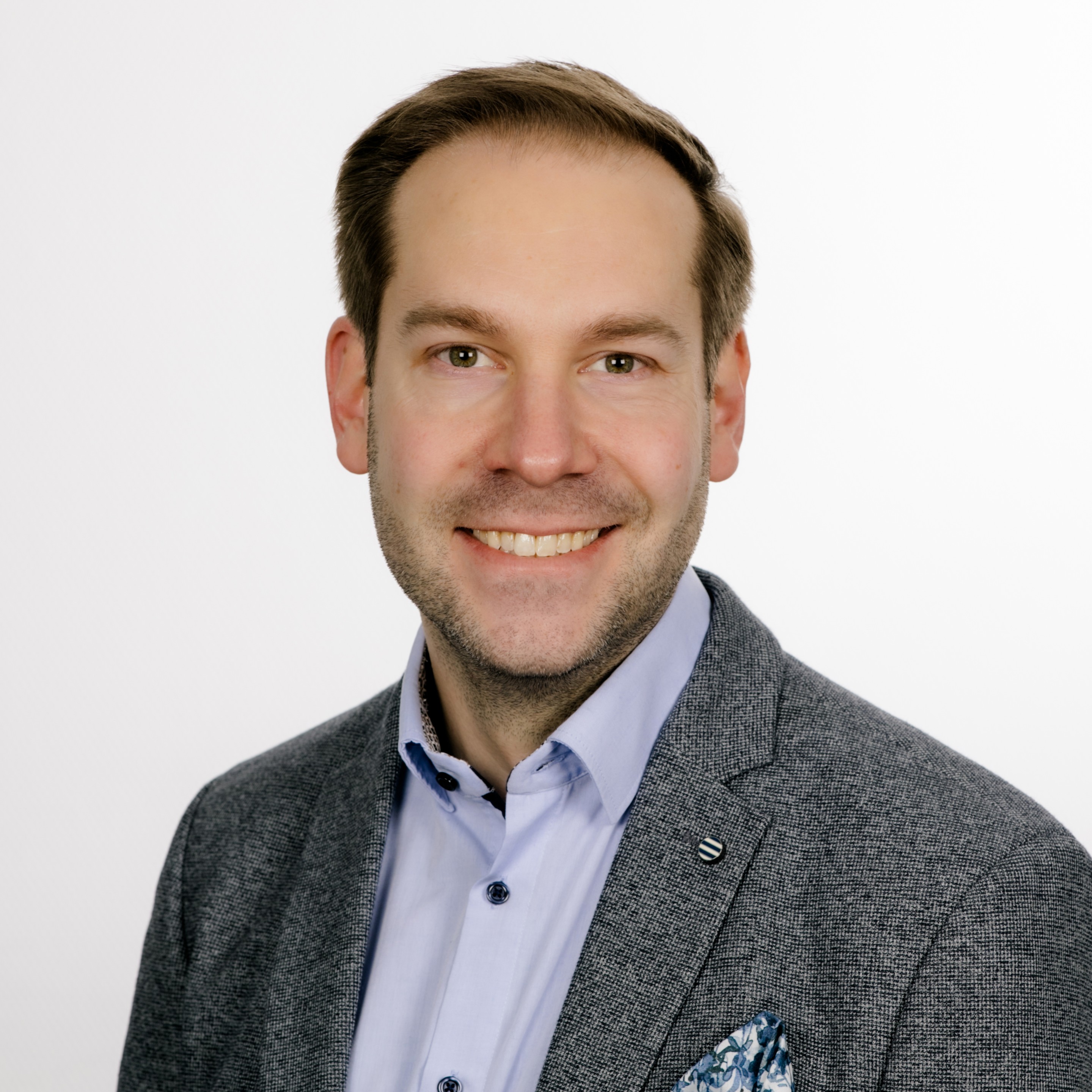
David Brunn
Qualified Person & Project Manager Biotech
Midas Pharma
For biotech start-ups, the leap from promising early-stage data to a clinical trial in Europe is one of the most critical and often underestimated steps in a product’s journey. For lean teams without in-house quality infrastructure and experienced staff, this can feel like an overwhelming hurdle with unforeseeable costs.
This presentation shows how outsourced QP Release and an established EU Batch Release Site can bridge critical gaps in quality oversight, regulatory readiness and batch certification. We will discuss practical scenarios for non-EU suppliers and CDMO-based supply models, including common pitfalls and how early QP involvement can support faster, more credible EU access strategies.
David Brunn is Qualified Person at Midas Pharma GmbH with a wealth of experience in the pharmaceutical and biotechnology industry. He holds a degree in pharmacy and a PhD in cancer immunology. Throughout his career, David has supported start-ups and established companies in analytical developing clinical trial material, in managing batch certification activities and processes, and in navigating the EU regulatory requirements. This includes ATMPs, antibodies and small molecules.
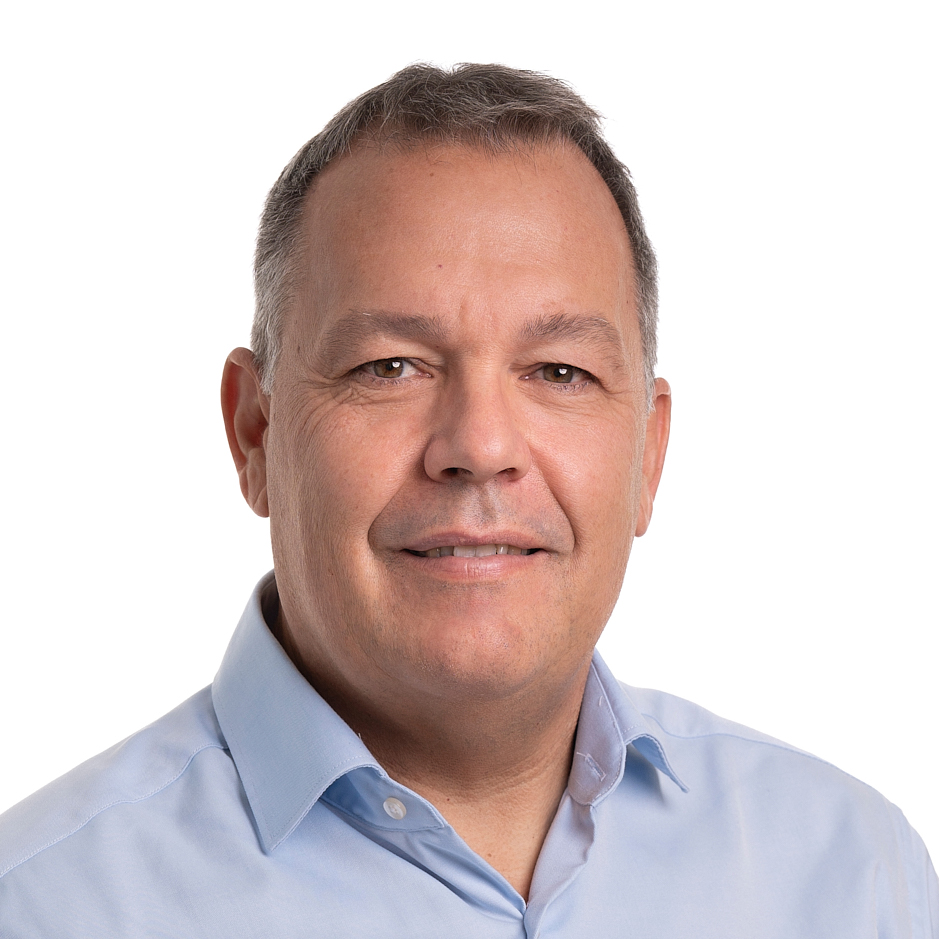
Thomas Kofoed
CEO
Alphalyse
Host cell proteins (HCPs) are among the most scrutinized impurities in biologics manufacturing. For decades, enzyme-linked immunosorbent assay (ELISA) has been the industry workhorse for measuring total HCP content. But ELISA has a structural blind spot: its antibodies detect only the limited set of HCPs they were raised against, and it cannot reveal which individual proteins are actually present in a sample. As a result, regulatory authorities increasingly request liquid chromatography-mass spectrometry (LC-MS)-based HCP characterization to identify and quantify individual HCPs and support data-driven risk assessment. Drawing on client case examples, this presentation shows how LC-MS analysis complements and strengthens ELISA-based testing, and outlines what a combined, regulator-ready HCP control strategy looks like in practice.
Thomas Kofoed, PhD, is CEO of Alphalyse A/S, the world’s leading provider of LC-MS-based analysis of host cell proteins and other residual protein impurities in biopharmaceutical products. Since co-founding Alphalyse in 2002, Thomas has been at the forefront of advancing LC-MS applications for HCP analysis across the biopharmaceutical product lifecycle, from early-stage development to GMP release testing. A recognized thought leader in the field, he is a frequent speaker at international conferences and webinars, where he shares practical insights on HCP control strategies, regulatory expectations, GMP-compliant analysis, process understanding, and the role of LC-MS as both an orthogonal method and a powerful complement or alternative to ELISA.
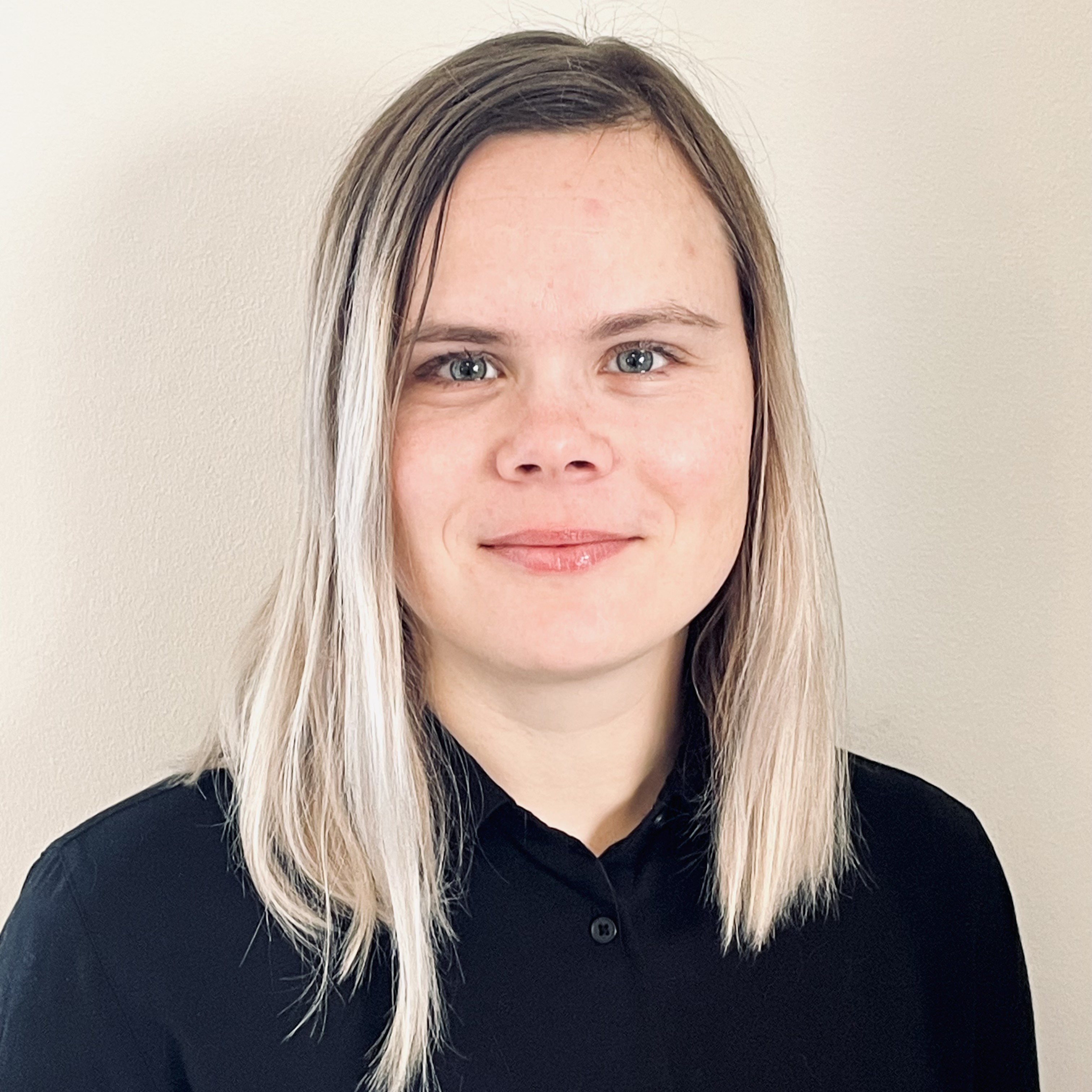
Kristina Karalė
Senior Scientist
RISE (Research Institutes of Sweden)
Advances in oligonucleotide therapeutics are creating a need for more advanced chemical solutions than those offered by standard synthesis platforms. Emerging therapeutic concepts increasingly rely on custom nucleoside modifications, advanced linker technologies, and selective conjugation strategies to improve delivery, activity, and specificity.
This presentation will explore how tailored building blocks and enabling chemistries can expand the accessible chemical space of oligonucleotide therapeutics. Drawing on experience in the development of modified nucleotides, non-standard monomers, and oligonucleotide conjugates, the talk will highlight key challenges in synthesis, process development, and analytical characterization. Through selected examples, it will illustrate how strategic molecular design and custom chemistry can support the development of next-generation oligonucleotide therapeutics and conjugate-based modalities.
Kristina Karalė is a Senior Scientist at RISE working in the field of oligonucleotide therapeutics. She obtained her PhD in Medicinal Sciences from Karolinska Institutet through a joint project with RISE focused on oligonucleotide chemistry. Her research interests include modified nucleotides, custom building blocks, oligonucleotide conjugates, and the use of chemistry to enable novel therapeutic modalities. At RISE, she works in multidisciplinary projects together with academic and industrial partners, supporting the development and characterization of advanced biomolecular constructs.
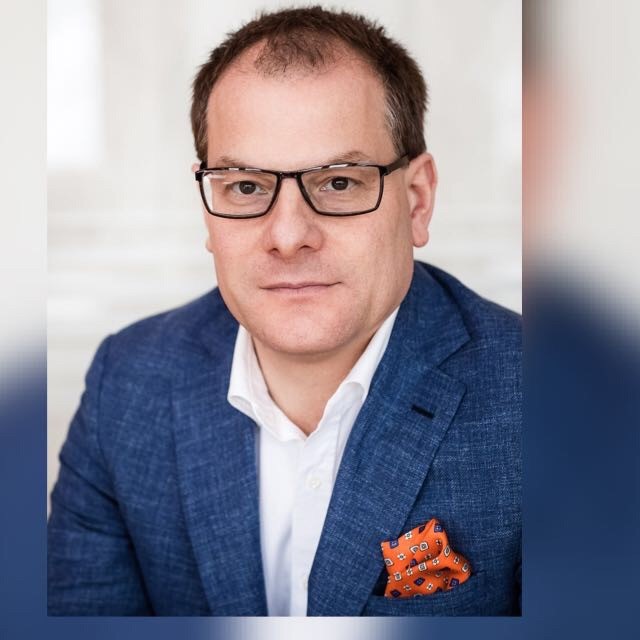
Knut Steffensen
Director
Karolinska ATMP Center
The potential of ATMPs to relieve and cure severe diseases has led to large investments in developing new advanced treatments. Leading universities and hospitals have evolved from traditional centres of care, education, research and sporadic innovation into fully recognised Hubs for thriving innovation ecosystems. Both research and clinical trials using ATMPs are expanding in the academic setting, and the combined role of universities and university hospitals have a unique position to develop life saving new ATMP treatments with its own ecosystem. However, collaboration and partnership within the larger ATMP ecosystem is necessary to succeed in bringing the research and therapies to patients. Karolinska ATMP Center builds on the collective strengths of Karolinska University Hospital and Karolinska Institutet to accelerate in house translational research into clinical applications while interacting with the “glocal” ATMP ecosystem with academia and industry to strengthen its competitiveness.
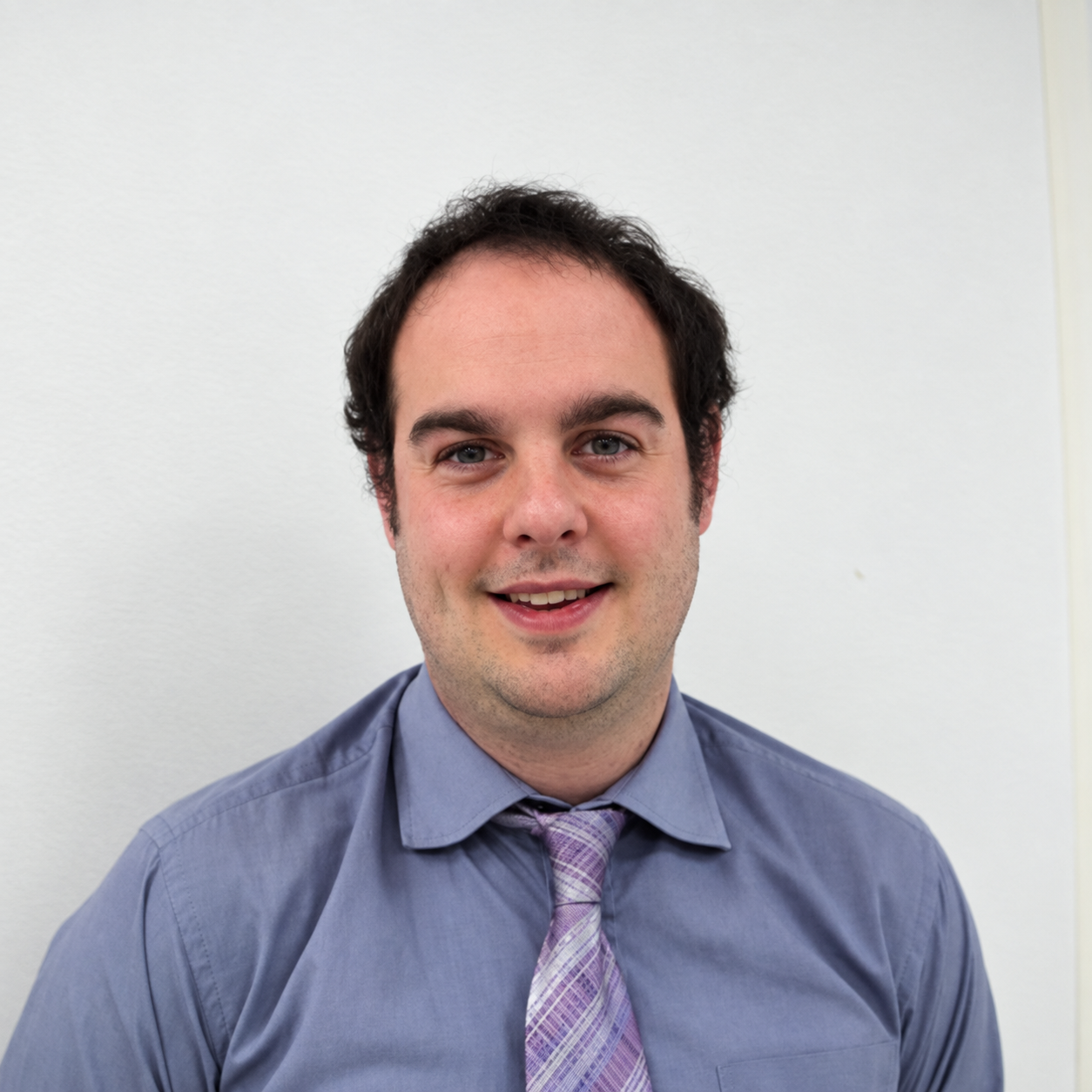
James Humphrey
Research & Technology Specialist
Croda Pharma
Bioprocessing aids such as surfactants play a key role in maximising the output of production cell lines, alongside their importance in producing and maintaining a safe, efficacious, and high purity drug substance throughout the downstream process. In this talk we shall discuss how Croda Pharma has developed and optimised specific surfactants for upstream processing to insure consistency in performance and quality. In downstream we will demonstrate how surfactants can be used for processes such as viral inactivation, cell lysis, antibody stability and purification.
James Humphrey is a chemist by training and has nearly 20 years’ experience in the raw materials for pharmaceutical sector. Working at Croda he has focused on utilising Croda Pharma’s range of excipients and bioprocessing aids for pharmaceutical formulations and processes. Over the last decade James has led the development of new materials and applications areas for the biopharmaceutical sector, with particular interest on the role of surfactants in cell growth, lysis, downstream processing and how best to stabilise and protect the drug substance in the final formulation.
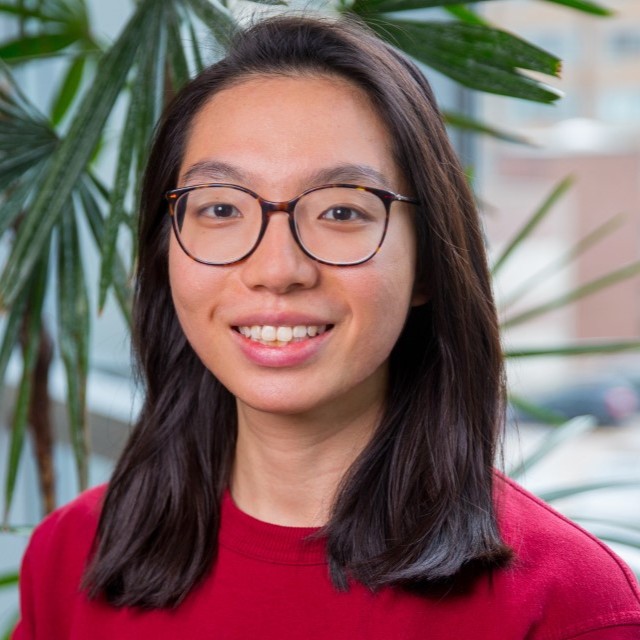
Min Wen Ku
Commercial Strategy
VectorBuilder
Adeno-associated virus (AAV) is widely used in cell and gene therapy, yet clinical translation remains challenging, with approximately 90% of trials failing, largely due to suboptimal vector design that compromises efficacy, safety, and manufacturability. Here, we highlight the power of a rational vector design approach, where all components of the transfer vector are carefully considered to facilitate a seamless transition from early research stages to the clinic. Firstly, we optimized the transfer vector backbone by stabilizing the mutation-prone inverted terminal repeats (ITRs), which are crucial for consistent, high-titer manufacturing. This reduced the ITR mutation rate after 10 serial passages in E. coli from 31.8-48.1% down to 0%. Next, promoter optimization markedly enhanced efficacy, as evidenced by increased survival in transgenic knockout mice treated with an AAV-based gene-replacement therapy. Finally, through ORF optimization, we generated truncated ORFs that further enhanced therapeutic efficacy. Overall, these findings highlight the importance of optimized vector design for consistent, high-titer AAV production and accelerated clinical translation.
Min Wen Ku is a Commercial Strategist at VectorBuilder, where she works with academic, biotechnology, and pharmaceutical organizations to establish and develop gene delivery collaborations. She focuses on connecting partners across different delivery modalities, including AAV, LV and mRNA-LNP, and supports gene therapy programs from early discovery toward IND. Her role centers on understanding partners’ scientific needs and advising them on suitable delivery modalities to help advance the translation and development of genetic medicines.
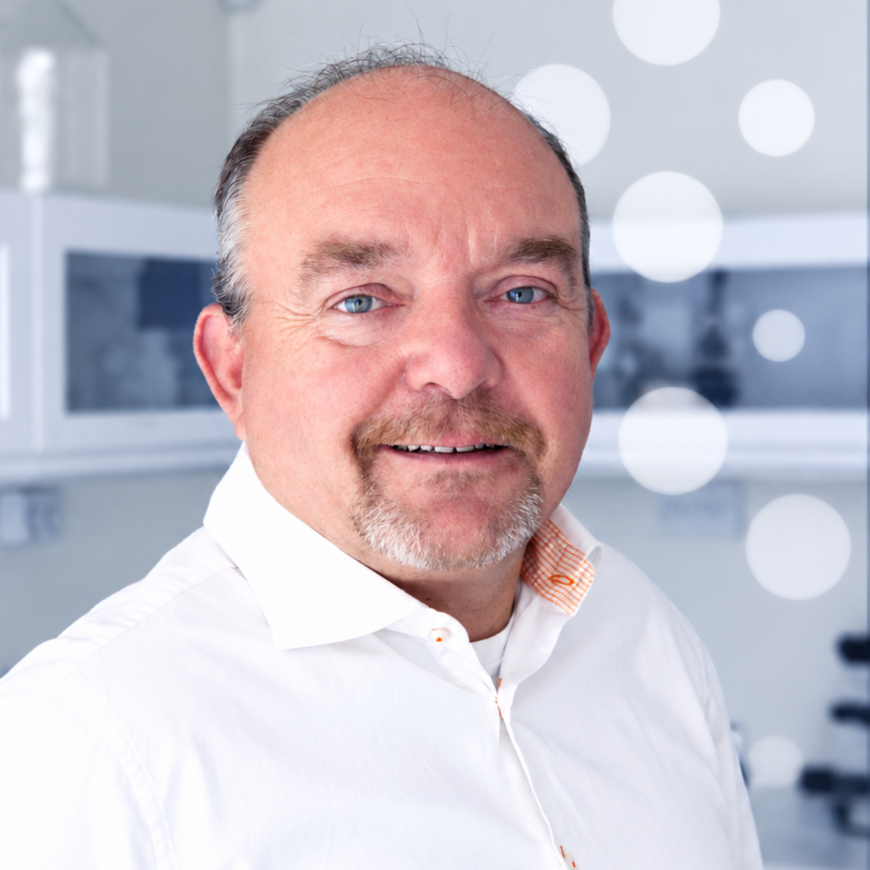
Michael Juul Jensen
Global Sales and Process Technology Manager
Sani Membranes
Biopharmaceutical manufacturers are under increasing pressure to improve product yield, process efficiency, and sustainability while reducing manufacturing costs. Conventional filtration technologies are often limited by membrane fouling, high shear stress, and complex multi-step processing workflows.
This presentation introduces Vibro® Membrane Filtration (VMF), a dynamic filtration technology that utilizes controlled membrane vibration to minimize fouling and maintain low, uniform transmembrane pressure.
The technology enables efficient processing of high-cell-density cultures, viscous streams, and challenging biological products while supporting high recovery and gentle product handling.
The presentation will explore the principles behind VMF, its scalability from process development to commercial manufacturing, and how dynamic membrane filtration can simplify bioprocess workflows while delivering measurable improvements in yield, process economics, and sustainability across biopharmaceutical manufacturing.
Michael Juul Jensen has worked extensively with membrane science, filtration process development, and separation technologies for biopharmaceutical and industrial applications. His broad expertise spans microfiltration, ultrafiltration, cell culture harvesting, clarification, and downstream processing, with a particular focus on overcoming membrane fouling and mass transfer limitations in challenging bioprocess streams.
Throughout his career, Michael has held technical, commercial, and leadership roles across the membrane filtration industry, while working closely with technology developers, research institutions, and manufacturing organizations to translate emerging membrane technologies into practical industrial solutions. His work has focused on process intensification, product recovery, scalability, and the optimization of filtration performance across biologics manufacturing workflows.
As Global Sales and Process Technology Manager at SANI Membranes A/S, Michael has a particular interest in the application of dynamic membrane filtration and how this technology can significantly improve the efficiency of bioprocessing operations.
Working actively translating innovative filtration and separation technologies into commercial solutions that deliver measurable improvements in product yield, process efficiency, sustainability, and manufacturing economics across the biopharmaceutical industry.
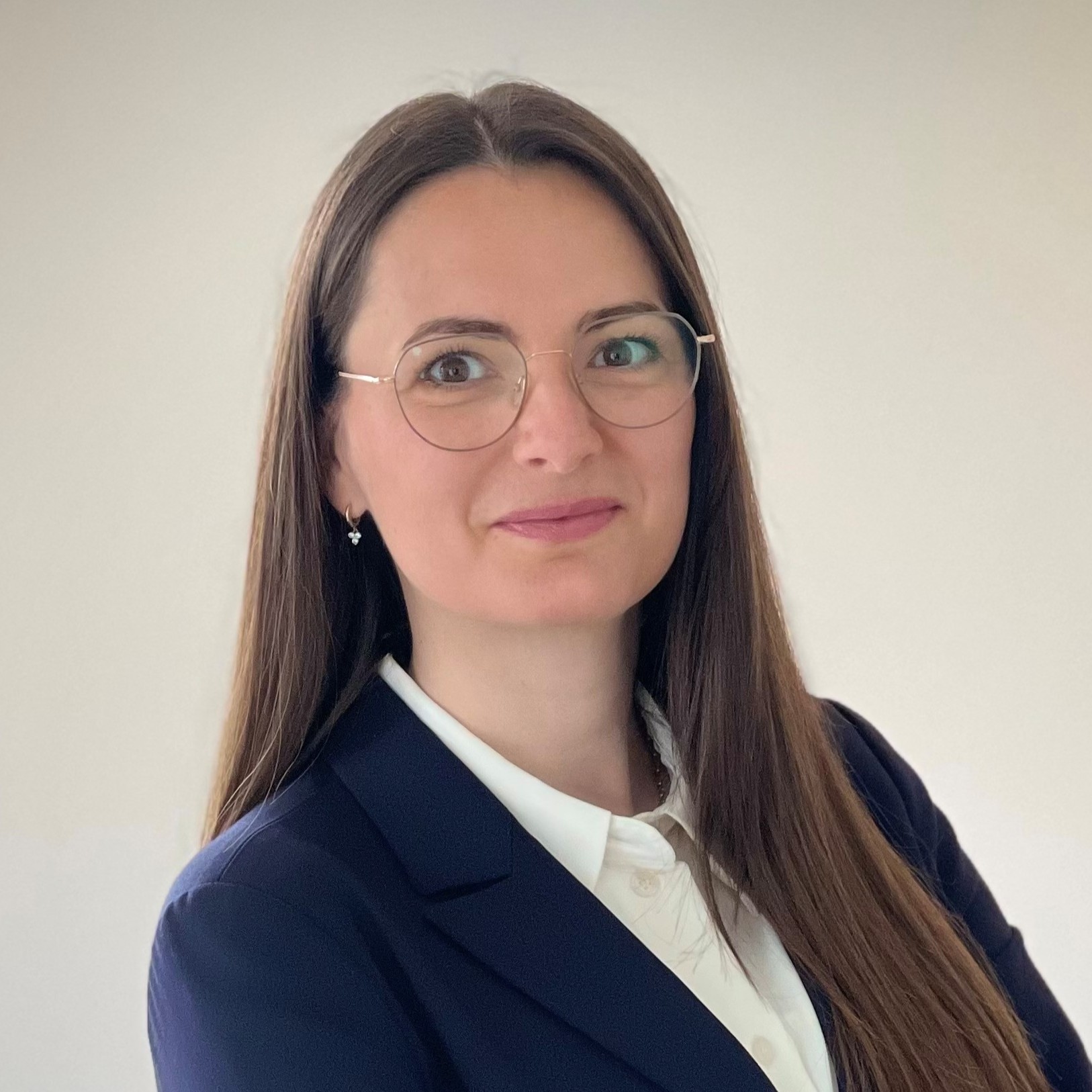
Angela Mattes
Market Development Manager Biopharma
Parker Hannifin
As biopharmaceutical processes become more complex, single-use systems must address more than material compatibility and sterility. Process-specific requirements such as low-temperature handling, aseptic transfer, filling accuracy, product loss, operator interaction, and regulatory expectations influence the design of the complete fluid path.
A holistic engineering approach translates these requirements into robust, scalable single-use solutions. Rather than selecting standard components in isolation, material science, product design, manufacturing technologies, and regulatory considerations are aligned with the intended process.
Technologies such as overmolding, engineered fluid-path geometries, closed transfer concepts, and process-specific component design can reduce the number of connection points, support system integrity, minimize product loss, and improve handling.
The examples demonstrate how process-driven system engineering can support reliable, regulatory-ready single-use solutions from development through commercial manufacturing.
Angela Mattes is Market Development Manager Biopharma at Parker Hannifin’s Engineered Materials Group. She has several years of experience across the life science industry, with a focus on biopharmaceutical processing and single-use technologies. Throughout her career, she has held various roles spanning technical support, product management, and market development. In her current role, she works at the interface between customer process requirements, market needs, and technical teams to support the development of engineered single-use solutions across the bioproduction process. Her focus is on process robustness, compliance, and operational efficiency. Angela holds degrees in Bio- and Process Technology as well as Drug Research and Management.
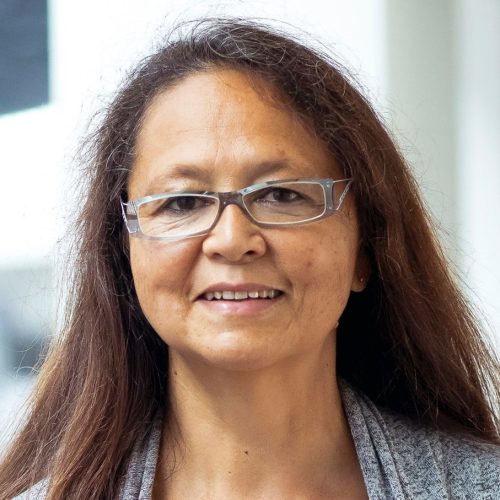
Véronique Chotteau
Professor in Mammalian Cell-Based Bioprocess Technology
KTH Royal Institute of Technology
Professor Véronique Chotteau, Director of AdBIOPRO Competence Centre for Advanced Bioproduction by Continuous Processing, is the Leader of the Cell Technology group, Dept. Industrial Biotechnology, at KTH (Royal Institute of Technology), Stockholm. She has a background of MSc Electrical Engineering, MSc Biotechnology, PhD Automatic Control/Modelling/Biotechnology (University of Louvain, Belgium), and has built her career in the biopharmaceutical area. Chotteau has more than 30 years of experience in mammalian cell culture including ≥ 10 years in biopharmaceutical industry (at Pharmacia Upjohn/Biovitrum, Stockholm, nowadays Swedish Orphan Biovitrum). She joined KTH in 2008, when she was offered to lead the animal cell cultivation activities. Her group is focusing on cell-based processes for biologics production and intensification by continuous processing, mathematical modelling, process analytical technology including biomanufacturing for gene therapy and cell therapy. She was the first to publish cell densities higher than 200 millions cells/mL in CHO cell perfusion process.
AdBIOPRO, The Competence Centre for Advanced BioProduction, provides a dynamic hub for world-leading knowledge and technology development for manufacturing therapeutic antibodies, glycoproteins, and cell and gene therapy products. AdBIOPRO is driven by the multi-disciplinary expertise of seven teams at KTH, Lund University, the Karolinska Cell Therapy Centre (KCC) at Karolinska University Hospital, Karolinska Institutet and Linköping University together with sixteen industrial partners.
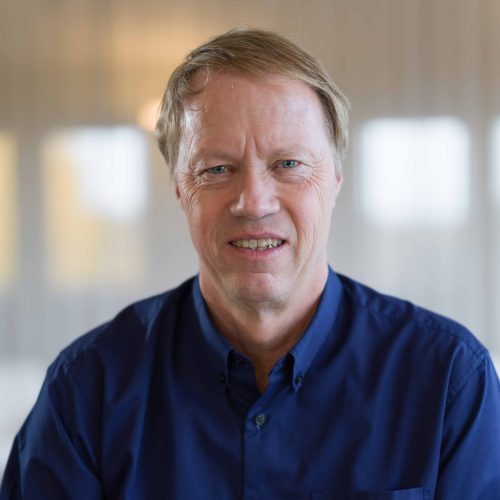
Ulf Ståhl
PhD, Product Research Leader
Galderma
For more than 15 years, Galderma Uppsala has developed a fully in-house, next-generation botulinum neurotoxin product for the aesthetic market, which has since been launched and approved in several European countries and in Australia. Botulinum neurotoxin is a highly active and delicate protein molecule produced by the bacterium Clostridium botulinum. It has been used for many years in both therapeutic and aesthetic indications. Galderma’s new product is a complex-free neurotoxin, presented as a ready-to-use liquid formulation. The manufacturing process, developed by Galderma, is termed PEARL™ Technology. This process employs modern protein separation techniques in combination with single-use systems. The toxin is preserved in its natural conformation in liquid state throughout processing, thereby ensuring the high specific potency of the product.
Ulf has a PhD in plant lipid biochemistry focusing on protein purification from the Swedish University of Agriculture Sciences (SLU) followed by 10 years of research in the field of lipid biosynthesis in eucaryotic cells with about ten peer reviewed scientific publications. From 2008 Ulf has worked with process development for an aesthetic biological product within Q-Med AB / Galderma. Initially working for two years as protein purification specialist in the early discovery phase of the project and then as team leader for the Bioprocess Development team, following the project development through all project phases such as toxicology, clinical, process validation and launch of the new innovative liquid toxin product.
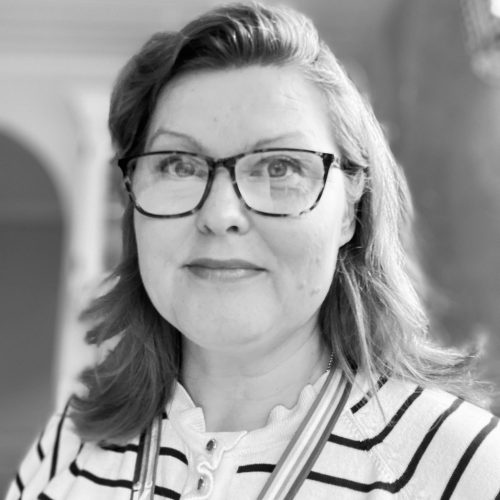
Ewa C S Ellis
ATMP Coordinator, Karolinska ATMP Center
Karolinska Institutet
Karolinska ATMP Center builds on the collective strength of both Karolinska Institutet and Karolinska University Hospital to drive academic research into clinical application and patient care. The center further aims to collaborate across the Swedish ATMP ecosystem both serving as a national infrastructure for ATMP manufacturing and a partner for both industry and academic institutions.
Assistant professor Ewa Ellis has a long experience as a researcher in experimental medicine, she is docent in experimental gastroenterology and hepatology. Dr. Ellis has vast expertise in isolation of human liver cells and liver perfusion and is a certified organ perfusionist.
As the ATMP coordinator at Karolinska ATMP Center and Karolinska Center for Cell Therapy Dr. Ellis manages the priority board and the single-entry-point for ATMP and Cell transplantation at Karolinska. She has been a core-team member of the national Innovation milieu “Sweden leader in ATMP year 2030”.
Dr. Ellis has hands-on experience as head of the production of primary liver cells for clinical transplantation within a tissue facility with permission from the Health and Social Care Inspectorate (IVO).
She has been a board member in several professional organizations in cell therapy, regenerative medicine, transplantation and liver research and has participated in the organization of several local, national and international congresses within the framework of these.
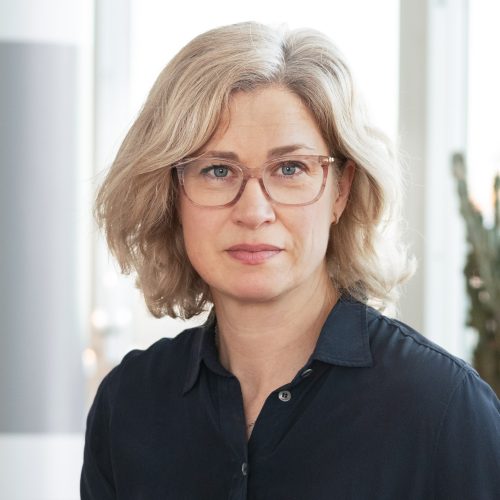
Åsa Derolf
Chair
the New Therapies Council
In order to achieve an equal, cost-effective and appropriate use of new pharmaceutical drugs for all patients in Sweden, all regions, several governmental agencies and the pharmaceutical industry collaborate in a joint process for the introduction of new therapies. The New Therapies Council has the regions’ mandate to issue recommendations on the use of new therapies that are subject to national joint introduction. In recent years there has been a great development in the field of cell- and gene therapies and several of theses therapies have been introduced in Sweden through this joint national process.
Åsa Rangert Derolf is a specialist in hematology and PhD and has been head of the Department of Hematology at the Karolinska University Hospital. As a hematologist and researcher she has had an interest in acute leukemias and precision medicine. She I currently the head of the Swedish New Therapies council.
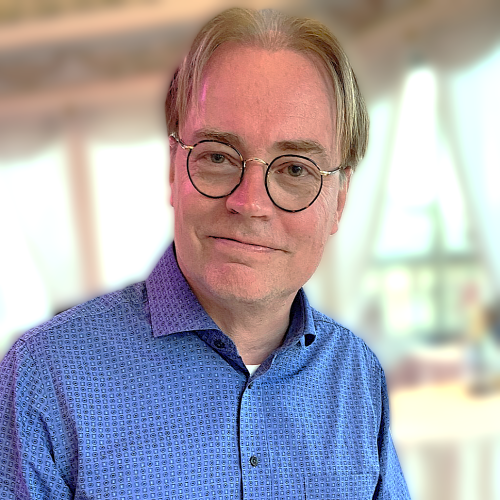
Fredrik Sjöö
Head of Medical Affairs, Nordic Region
CSL Behring
The New Therapies Council (NT-rådet) recently chose not to recommend a gene therapy for hemophilia B. The cost was deemed too high – and the council highlighted uncertainty regarding how long the treatment’s effects would last.
Sweden is below the EU average when it comes to patient access to treatments for rare conditions. According to this year’s WAIT survey, patients in 20 European countries have access to more orphan drugs than patients in Sweden.
This highlights the importance of developing new payment models for therapies targeting rare and severe diseases. Outcome-based agreements – where payment is linked to a treatment’s clinical outcome – can help reduce the financial risk for payers in terms of projected spending, potential cost savings, and improved health outcomes.
Several countries have already implemented such agreements. Denmark, for instance, considers this payment model to be cost saving. During his presentation, Fredrik Sjöö, Head of Medical Affairs Nordic Region at CSL Behring, discusses how other European countries have approached this, why it is successful there, and how we can work together to ensure that new, innovative treatments benefit patients – also in Sweden.
If no one is willing to pay for gene therapies today, there will be no gene therapies tomorrow.
Fredrik Sjöö is a seasoned medical affairs leader with a clinical background in hematology and extensive experience in the pharmaceutical industry. He currently serves as the Head of Medical Affairs for the Nordic Region at CSL Behring, based in Stockholm, Sweden, where he leads strategic medical initiatives and fosters collaboration across the Nordic markets. Fredrik earned both his MD and PhD from Karolinska Institutet. Before transitioning to industry, he spent many years as a clinical hematologist and section head at St Görans Hospital in Stockholm. Fredrik is part of the Nordic launch team for Hemgenix, the first approved gene therapy for hemophilia B, contributing to its strategic planning and medical engagement across the region. His combined expertise in clinical medicine and pharmaceutical strategy positions him as a trusted partner to healthcare professionals and stakeholders.
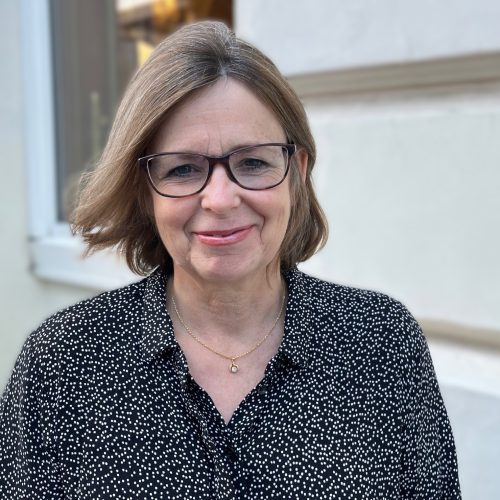
Anna-Lena Spetz
Chief Scientific Officer
TIRmed Pharma
TIRmed Pharma AB develops topical immunomodulatory therapies based on TIR-01, a single-stranded oligonucleotide functioning as a tolerogenic adjuvant. TIR-01 dampens TLR3-mediated inflammation, inhibits Th2/9 and Th17 responses, and induces immune checkpoints (ILT3, PDL1) on myeloid cells, restoring immune balance in inflamed skin. Delivered via the TIR-C formulation for optimized uptake, this mechanism yields rapid reduction of atopic dermatitis symptoms and durable remission with minimal treatments. Proof-of-concept animal studies confirm high efficacy and safety, supporting broad dermatological potential.
Anna-Lena Spetz, MD, PhD, Professor, has thirty years of experience from research in immunology from academia, currently at the Stockholm University and has previous experiences from Karolinska Institutet, Institut Pasteur, and Dana-Farber Cancer Institute, Harvard Medical School. She has previous experiences from a small biotech as project leader and co-founder of Avaris AB (2001-2012) and is now founder and CSO of TIRmed Pharma AB.
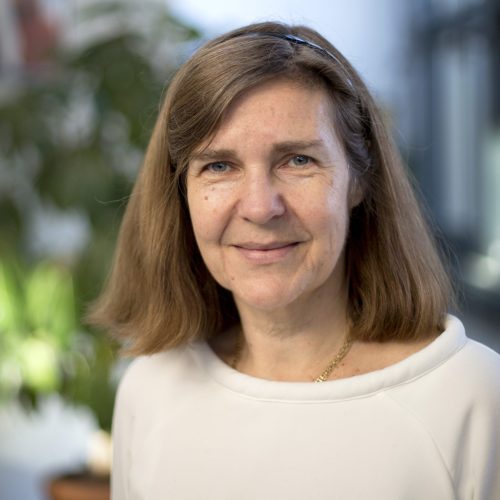
Gunilla Enblad
Professor in Oncology
Uppsala University
More info coming soon!
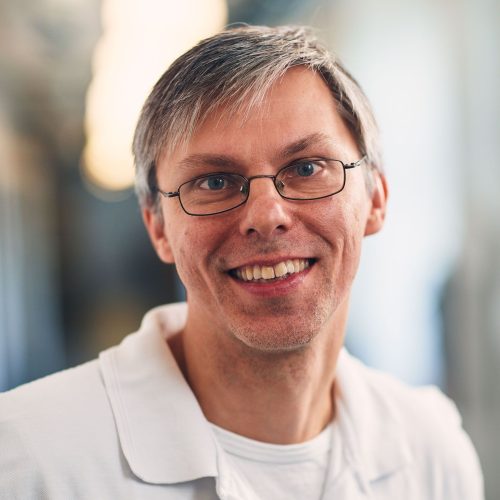
Photo: Johan Alp
Per-Ola Carlsson
Professor of Medical Cell Biology
Uppsala University
We have clinically translated the concept of immune evasion with hypoimmune (HIP) gene modifications entailing the depletion of HLA class I and II and overexpression of CD47 to enable allogeneic transplantation without immunosuppression. A patient with long-standing type 1 diabetes received allogeneic, gene modified, primary donor islet cells. He did not mount any immune response against the HIP islet cells over a 26-week follow-up period. A PET-MRI at 12 weeks showed a GLP-1R signal at graft site. The patient developed stable C-peptide levels that increased in mixed meal tolerance tests. This case confirms the immune evasive character of HIP cells in a patient and provides an optimistic outlook that immune evasion might be generalizable for more cell types, tissues and organs for allotransplantation without immunosuppression.
Per-Ola Carlsson is a professor of Medical Cell Biology at Uppsala University, Sweden. He also serves as a senior consultant in endocrinology and diabetology at Uppsala University Hospital and as director of Uppsala Diabetes Centre.
His research focus over the years has been on islet physiology, islet vascular biology, stem cell research, beta-cell replacement and early phase clinical cell therapy trials in type 1 diabetes. He has authored more than 200 peer-reviewed publications and is the P.I. of the presented first-in-human study of hypoimmune islet cell transplantation in type 1 diabetes.
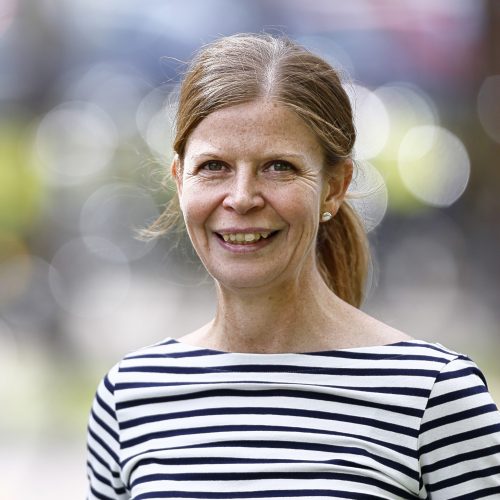
Alexandra Patriksson
Senior Manager
Testa Center
BRIDGE Sweden is a national initiative supported by Vinnova and Swelife, aiming to accelerate the translation of academic innovations in biologics into industrial and clinical applications. By connecting infrastructures and expertise across Sweden, the project strengthens national capabilities in biologics development.
This presentation will introduce BRIDGE Sweden and its recently established cell line development service, designed to enable efficient screening, optimization, and production of biological pharmaceuticals. Klas Bratteby, representing the pilot project “Advancing Radiotheranostics for Solid Tumors” within Thuy Tran’s research group at Karolinska Institutet, will share insights on how this infrastructure enables the transition from academic discovery to scalable bioproduction, strengthening Sweden’s position in life science innovation.
Alexandra has been working in the intersection of research and industry for the last 10 years, supporting academic researchers and start-ups with their innovation and industry collaboration projects. She has a PhD in Biophysics, a MSc in Molecular Biotechnology Engineering and master training from the school of entrepreneurship from Uppsala University.
She has several years of work experience in management consulting both at WM-data, Logica Sweden and in Deloitte Norway, and in public research and innovation funding and support in Innovation Norway, Oslo University and The Centre for Digital Life Norway, Uppsala University Innovation and SciLifeLab.
At Testa Center, Alexandra is working both with supporting clients as well as with internal business development, national research and innovation policy as well as ecosystem development. Being a creative and solution oriented person, Alexandra’s ambition is to help the clients of Testa Center to develop their projects and ideas into products or services that can create value for society, by helping them understand how to access the existing innovation supporting organizations and funding opportunities.

Niklas Berndt Thalén
Research Scientist
Drug Discovery and Development Platform, SciLifeLab Solna
BRIDGE Sweden is a national initiative supported by Vinnova and Swelife, aiming to accelerate the translation of academic innovations in biologics into industrial and clinical applications. By connecting infrastructures and expertise across Sweden, the project strengthens national capabilities in biologics development.
This presentation will introduce BRIDGE Sweden and its recently established cell line development service, designed to enable efficient screening, optimization, and production of biological pharmaceuticals. Klas Bratteby, representing the pilot project “Advancing Radiotheranostics for Solid Tumors” within Thuy Tran’s research group at Karolinska Institutet, will share insights on how this infrastructure enables the transition from academic discovery to scalable bioproduction, strengthening Sweden’s position in life science innovation.
PhD in Biotechnology with a Post-doc from the Royal Institute of Technology. Experienced in cellular engineering with a focus on enhancing the productivity of biological pharmaceuticals.
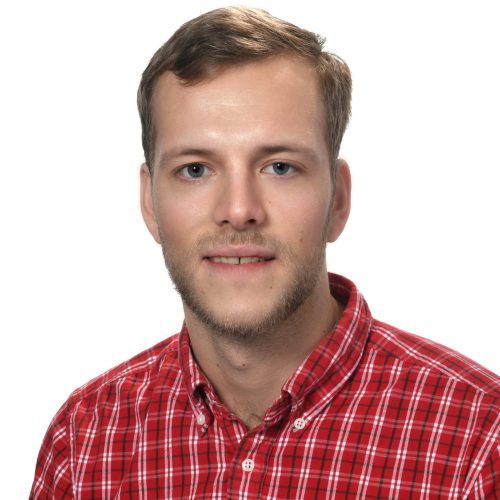
Klas Bratteby
Research Specialist
Karolinska Institutet
BRIDGE Sweden is a national initiative supported by Vinnova and Swelife, aiming to accelerate the translation of academic innovations in biologics into industrial and clinical applications. By connecting infrastructures and expertise across Sweden, the project strengthens national capabilities in biologics development.
This presentation will introduce BRIDGE Sweden and its recently established cell line development service, designed to enable efficient screening, optimization, and production of biological pharmaceuticals. Klas Bratteby, representing the pilot project “Advancing Radiotheranostics for Solid Tumors” within Thuy Tran’s research group at Karolinska Institutet, will share insights on how this infrastructure enables the transition from academic discovery to scalable bioproduction, strengthening Sweden’s position in life science innovation.
Klas received his Master of Science degree in Biotechnology from Lund University of Technology in 2017. He then completed research studies in Matthias Herth’s research group at the University of Copenhagen, where his work focused on radiolabeling with fluorine-18 of base-sensitive compounds and development of pretargeting strategies. After his doctoral dissertation in 2021, he worked at the cyclotron unit at Lund University Hospital, before joining Thuy Trans’s research group at Karolinska Institutet as a postdoctoral fellow in 2022.
In addition to his postdoctoral research, he is active as an R&D radiochemist at Karolinska Hospital’s Theranostics Trial Center, where the focus is on translating preclinical projects to enable, among other things, First-in-human phase I studies in radiotheranostics. His current research focuses on the development of TROP-2-targeted theranostics drugs, with the goal of improving the precision of cancer diagnostics and treatment.
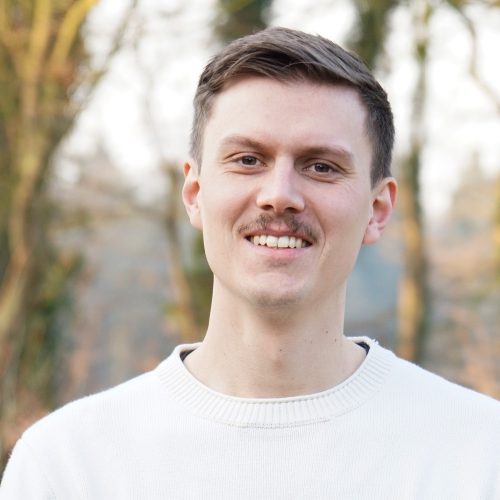
Marco Radukic
Research Scientist
Bielefeld University
Adeno-associated virus (AAV) vectors remain the first choice for in vivo gene therapy, yet their unique molecular composition and typically low concentrations make them particularly challenging to manufacture and analyze. Shifting areas of analytical concern, such as capsid and genomic heterogeneity of the vector, demand new analytical workflows alongside process innovations to overcome these challenges and increase patient access.
The talk will introduce recent European guidelines concerning AAV quality, followed by our developments at Bielefeld University and Biofidus AG/Midas aimed at meeting these new standards in a streamlined and cost-effective way. We demonstrate purpose-developed intact mass analysis for AAV capsid protein stoichiometry, as well as tandem mass spectrometry to investigate capsid identity and post-translational modifications from minimal sample input. In addition, next-generation sequencing reveals heterogeneities of the packaged DNA, including mispackaging and recombination, which may contribute to vector immunogenicity. Lastly, we highlight how some of these challenges could be addressed in the future by integrating our recent manufacturing advances early in the development process.
Marco Radukic has a doctorate in biotechnology and works as a research scientist at Bielefeld University, Germany. He is a consultant to Biofidus AG/Midas Pharma GmbH. His contributions on improving the quality and manufacturability of adeno-associated virus vectors for gene therapy have won awards, including by the German Society of Cell and Gene Therapy.
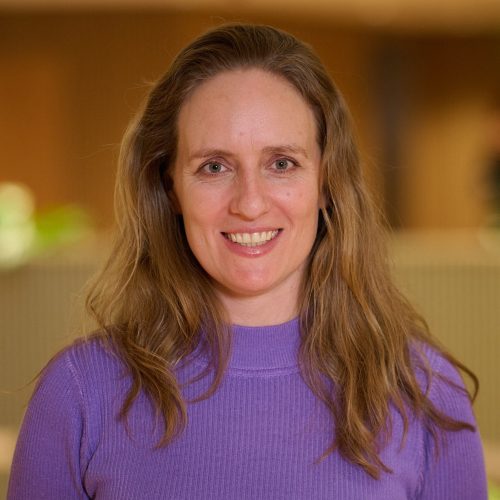
Heather Main
Principle Consultant and Co-founder
HOYA Consulting
Based on a foundation of expert ecosystem engagement and activating ‘consider it early’ points, we present some of the ways HOYA is addressing translational bottlenecks in ATMP. We will introduce (1) our efforts in streamlining access to commercially relevant GMP human pluripotent stem cell start material for cellular therapy, including direct interactions with the FDA and EMA and IP licensing organisations; (2) our evolving platform to make it easier for developers to match to the right raw materials, equipment, services and experts to create the best process and commercial business model for development; (3) our ambitions to Integrated Valuation Modelling to rescue investor interest in ATMP translation and finally; (4) our European consortium for synchronising modality specific ATMP competencies, for example in CMC, GMP manufacture, clinical trials design/follow-up and education. Connecting the right competencies at the right moment, ‘with the end in mind’.
Heather Main is co-founder of HOYA Consulting and acts as a strategic advisor and analyst in advanced therapies to accelerate ATMP translation towards scalable, commercially viable products. Heather’s ATMP competency comes from initiating and running ATMP Sweden between 2018 and 2024, translating hPSC derived RPE to GMP manufacture at Vecura 2018-2022 and running an online forum of hPSC derived cell therapy developers since 2022. These experiences give Heather a unique network and ability to support translational projects through regulatory, quality, manufacturing and commercial decisions, derived from detailed ecosystem analysis. At HOYA, she leads multi-stakeholder initiatives that bridge academic innovation and industrial capability, supporting developers in building the right teams, reducing translational friction, and accelerating the path to real-world access.
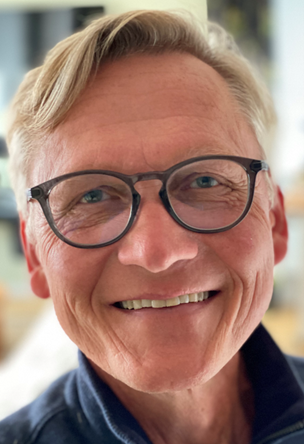
Jan Stålemark
CEO and Co-founder
Cell2Bio
Three-dimensional (3D) cell cultures have emerged as essential models for studying tissue physiology and disease due to their superior ability to recapitulate native architecture and function. However, conventional techniques to induce 3D growth present significant limitations. Anchorage-independent growth on ultra-low attachment (ULA) surfaces relies on random aggregation, often yielding heterogeneous spheroid sizes and lacking the natural cell–extracellular matrix (ECM) interactions of native tissues. Conversely, hydrogel encapsulation supports 3D tissue architectures but restricts nutrient diffusion, cell retrieval, and downstream processing. Robust and reproducible induction of 3D growth across diverse substrates thus remains challenging.
Here, we present a cellulose nanofibril (CNF)-based bioactive coating capable of transforming conventional two-dimensional (2D) surfaces into platforms that reliably support 3D cellular growth. The CNF coating facilitates the spontaneous formation of multicellular spheroids and network-like aggregates across a range of adherent cell types. Time-lapse microscopy revealed that local interactions between cells and the CNF coating simulate ECM-like adhesion, enabling the transition from 2D monolayers to compact 3D assemblies within the first 24 hours. This process results in uniform spheroid formation driven by both proliferation and intrinsic spatial organization. Unlike existing technologies, our platform integrates natural-like 3D architecture without embedding, permitting unhindered nutrient exchange and straightforward downstream analysis.
The coating’s composition and application protocol are compatible with various materials and existing culture formats, including microfluidic chips. These properties enable broad use in long-term 3D culture, tumor and organ-on-a-chip models, drug screening, and tissue engineering applications.
Jan Stålemark is a Swedish life-science executive and entrepreneur with 30+ years of international MedTech and HealthTech leadership. He is Co-Founder & CEO of Cell2Bio and Founder& CEO of HealthTech Sweden. Jan has led multiple companies through his career, driving growth, clinical adoption, and capital raises.
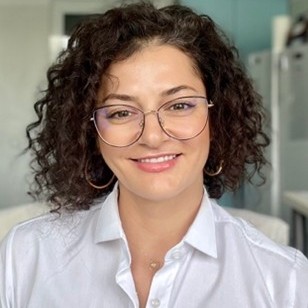
Oana Tudoran
Research Manager
Cell2Bio
Three-dimensional (3D) cell cultures have emerged as essential models for studying tissue physiology and disease due to their superior ability to recapitulate native architecture and function. However, conventional techniques to induce 3D growth present significant limitations. Anchorage-independent growth on ultra-low attachment (ULA) surfaces relies on random aggregation, often yielding heterogeneous spheroid sizes and lacking the natural cell–extracellular matrix (ECM) interactions of native tissues. Conversely, hydrogel encapsulation supports 3D tissue architectures but restricts nutrient diffusion, cell retrieval, and downstream processing. Robust and reproducible induction of 3D growth across diverse substrates thus remains challenging.
Here, we present a cellulose nanofibril (CNF)-based bioactive coating capable of transforming conventional two-dimensional (2D) surfaces into platforms that reliably support 3D cellular growth. The CNF coating facilitates the spontaneous formation of multicellular spheroids and network-like aggregates across a range of adherent cell types. Time-lapse microscopy revealed that local interactions between cells and the CNF coating simulate ECM-like adhesion, enabling the transition from 2D monolayers to compact 3D assemblies within the first 24 hours. This process results in uniform spheroid formation driven by both proliferation and intrinsic spatial organization. Unlike existing technologies, our platform integrates natural-like 3D architecture without embedding, permitting unhindered nutrient exchange and straightforward downstream analysis.
The coating’s composition and application protocol are compatible with various materials and existing culture formats, including microfluidic chips. These properties enable broad use in long-term 3D culture, tumor and organ-on-a-chip models, drug screening, and tissue engineering applications.
Oana-Mihaela Tudoran is a translational cancer scientist specializing in platform creation at the interface of tumor biology and emerging technologies. With over 15 years of experience in clinical cancer research she has built and operationalized new capabilities that integrates advanced 3D models, transcriptomic profiling, and microfluidic technologies to uncover the mechanisms of tumor progression and treatment resistance Her work dissects how tumor–stroma interactions drive progression, immune evasion, and stem-like behavior, always with a clear route to clinical deployment. Oana has led high-stakes, multi-institution collaborations across academia, hospitals, and industry, pushing teams to move beyond incremental improvement toward functional innovation with real translational impact.
Denna webbplats använder cookies för att säkerställa att du får den bästa upplevelsen på vår webbplats. Du kan alltid hantera dina inställningar i rutan här.
Hantera dina cookie preferenser här:
Bidrar till att tjänsten är säker och fungerar som den ska och för att komma ihåg dina cookie-inställningar. De går därför inte att stänga av.
Statistikcookies samlar in information anonymt. Denna information hjälper oss att förstå hur våra besökare använder vår webbplats.
Google Analytics is a powerful tool that tracks and analyzes website traffic for informed marketing decisions.
Service URL: policies.google.com
Hitta mer information i vår Cookie Policy.