Note: The list of speakers is subject to continuous updates and additions.
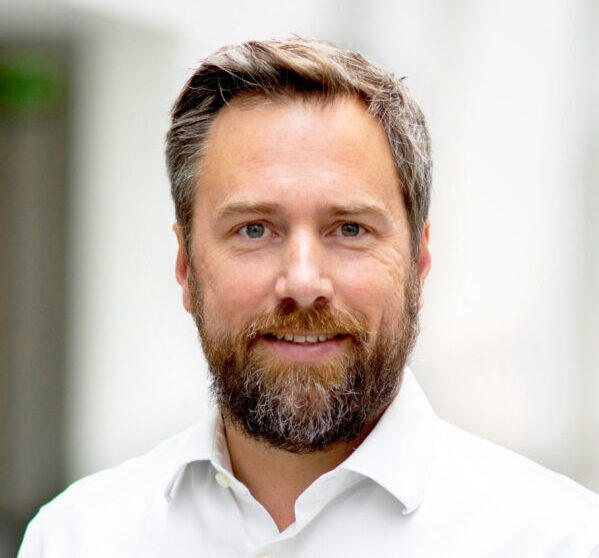
Professor in Antibody Technology and Directed Evolution
KTH Royal Institute of Technology
Johan Rockberg is Professor of Antibody Engineering and Directed Evolution at KTH – Royal Institute of Technology in Stockholm, Sweden. He holds a Master of Science in Chemical Engineering from KTH with studies in Bioinformatics and Biotechnology at the University of Sydney, and completed his doctoral degree in 2008 at KTH with a thesis on bioinformatical and combinatorial methods for the generation and characterization of monospecific antibodies.
Today, his research group works at the intersection of synthetic and systems biology, with a particular focus on protein and cell line engineering for novel curative gene therapies and their scalable bioproduction, including AAV-based vectors, protein vaccine, bispecific therapeutics for cancer and autoimmune diseases.
Routed in protein engineering and synthetic biology his lab leverage engineering of both the drug candidate, using in-house combinatorial libraries, deep sequencing and screening platforms, as well as mammalian cell lines for their production using directed and evolutionary methods.
Rockberg is Director of GeneNova, a Vinnova-funded innovation milieu in precision health with a budget of 114 MSEK, and is PI in several major national centers including CellNova and AdBIOPRO focused on advanced continuous manufacturing.
He is co-founder of 7 spinn-out companies — Atlas Antibodies, Atlas Therapeutics, Abclon Inc. (Seoul), Labrock AB, StrikePharma AB, Auweai AB and AareBio AB— spanning antibody reagents, cancer immunotherapy, CAR-T gene therapy and Precision Patient Segmentation through machine learning.
He is a co-founder of the Korean company Abclon, listed on the KOSDAQ exchange, currently developing CAR-T and antibody therapies, including an antibody combination in global Phase 3 trials for gastric and breast cancer.
He is an elected member of the Royal Swedish Academy of Engineering Sciences and recipient of the 2024 Biotech Builders Award and the 2021 SwedenBIO Life Science Star Award. With over 26,000 citations and publications in journals including Science, Nature Methods, Nature Communications and PNAS, Rockberg represents a combination of scientific depth, institutional leadership and entrepreneurship.
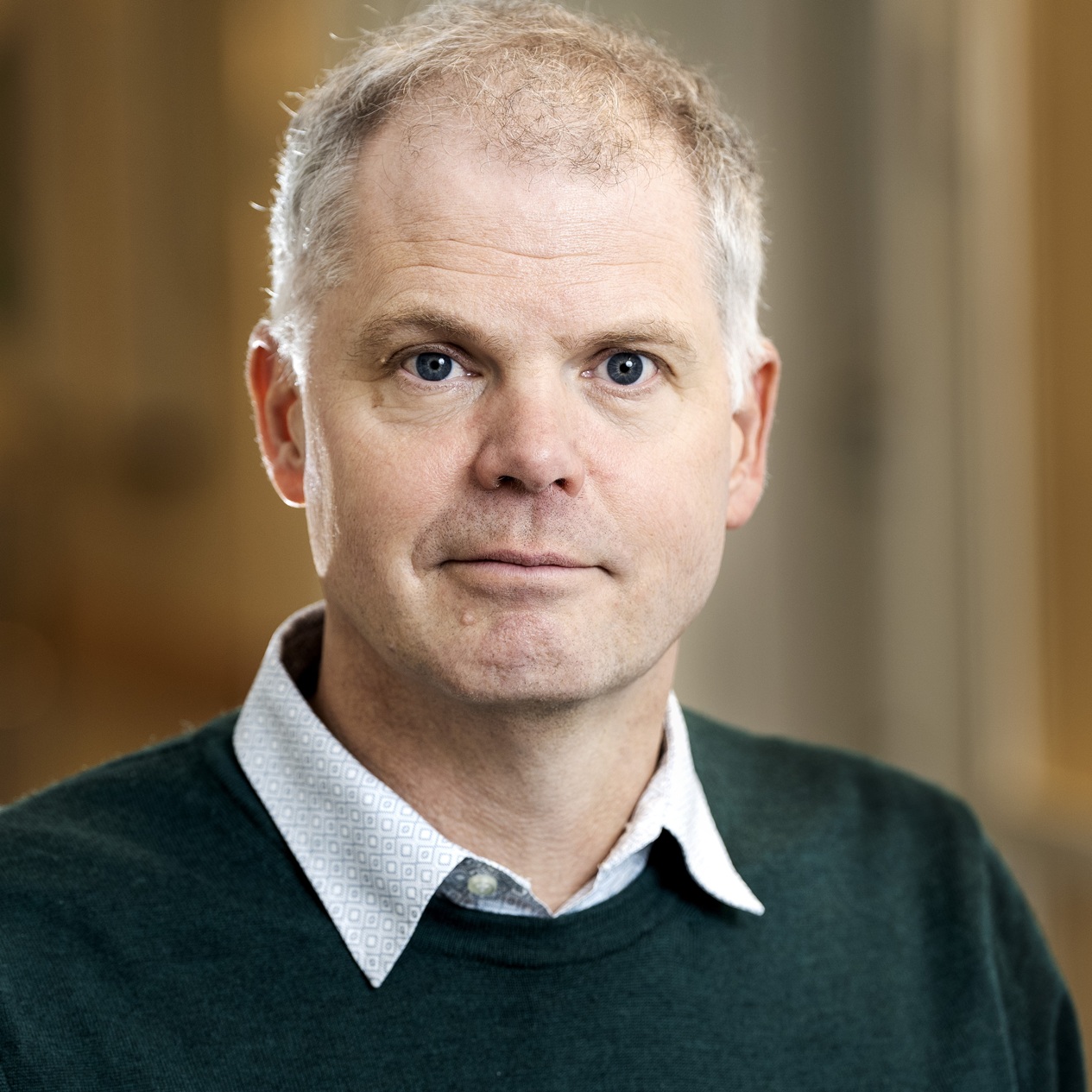
Professor of Molecular Medicine
University of Gothenburg
The gut microbiota profoundly influences host physiology through the production of bioactive metabolites that function as signaling molecules and metabolic substrates. These metabolites represent the functional output of a highly complex multi-organism system and provide a real-time readout of microbiome–host interactions. Although studying this crosstalk remains challenging, metabolite-focused approaches have revealed microbial products with direct clinical and translational relevance, particularly for metabolic disease.
Fredrik Bäckhed combines clinical oriented research with gnotobiotic mouse models to address the role of the normal gut microbiota in metabolic diseases. Fredrik Bäckhed holds a PhD in infectious biology from Karolinska Institutet and performed his postdoctoral training at Washington University in St Louis where he identified the gut microbiota as an environmental factor that regulates adiposity and obesity. Fredrik joined the faculty at University of Gothenburg in 2006 where he is full professor. He has also held guest/parttime professorships at University of Copenhagen, University of Oslo, Technical University of Denmark (DTU), and Fudan University as well as performed a sabbatical at University of Hawaii. He is Director of the Wallenberg Laboratory at Sahlgrenska Academy and University Hospital as well as the Microbiome Health Initiative at DTU. He is member of the Royal Academy of Sciences, the Royal Academy of Engineering Sciences, EMBO and have received numerous awards and recognitions including the Minkowski Prize, the gold medal from the Royal Academy of Engineering Sciences and ERC consolidator and advanced researcher awards.
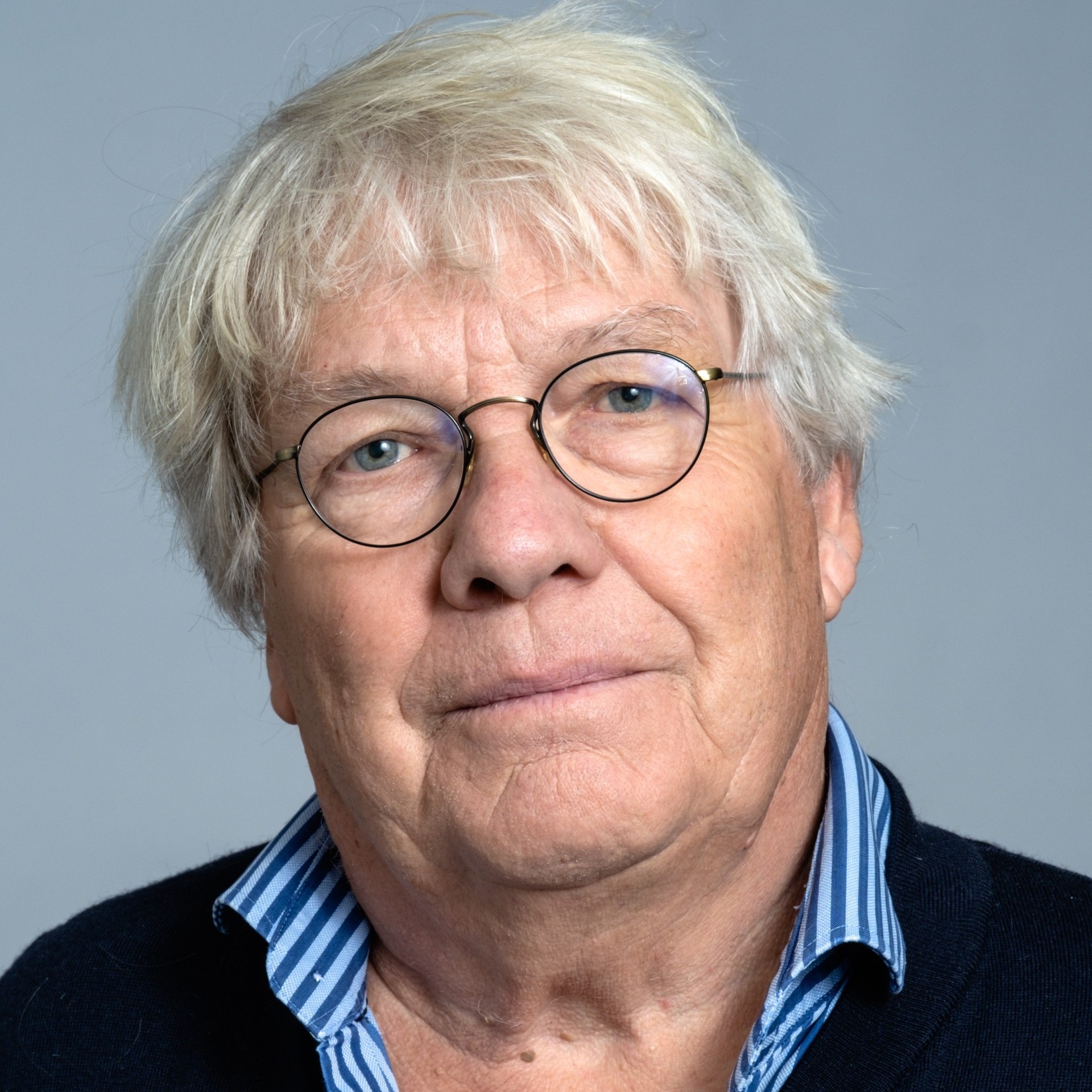
Senior Professor of Molecular Toxicology
Karolinska Institutet
The field of pharmacogenomics is advancing rapidly, driven by improved methods for identifying and characterizing genetic variation and by the emergence of AI-enabled tools that enhance functional interpretation and clinical translation of genomic data. These innovations are accelerating the integration of genotype-guided prescribing into routine medical practice. Currently, more than 350 pharmacogenomics-related clinical trials are underway, many focused on oncology, psychiatry, neurology, and cardiovascular medicine, reflecting broad and growing clinical interest. This lecture will provide an up-to-date overview of the field, highlighting key technological advances, evolving clinical applications, real-world implementation strategies but also common pitfalls of using pharmacogenomics.
Magnus Ingelman-Sundberg, PhD, BSc.Med, is Senior Professor of Molecular Toxicology and research group leader in Pharmacogenetics at the Department of Physiology and Pharmacology, Karolinska Institutet. He has authored over 540 original papers and holds an h-index of 102 (ISI/Clarivate) and 134 (Google Scholar). He was designated a “Highly Cited Researcher” from 2014–2017 and 2021–2025 by Thomson & Reuters/Clarivate, and is ranked #18 among 21,811 scientists in pharmaceutical science by the AD Scientific Index 2025. He served on the Nobel Assembly at Karolinska Institutet from 2008–2018 and on several editorial advisory boards. His recent distinctions include the RT Williams ISSX Award (2022), the ESPT Contribution Award (2025), and the Karolinska Institutet Grand Silver Medal (2025). His research focuses on genetic variation, regulation, and toxicology of the hepatic ADME system and on developing innovative hepatic in vitro models for drug metabolism, disease mechanisms, and target validation.
Professor of Infection Medicine
Karolinska Institutet
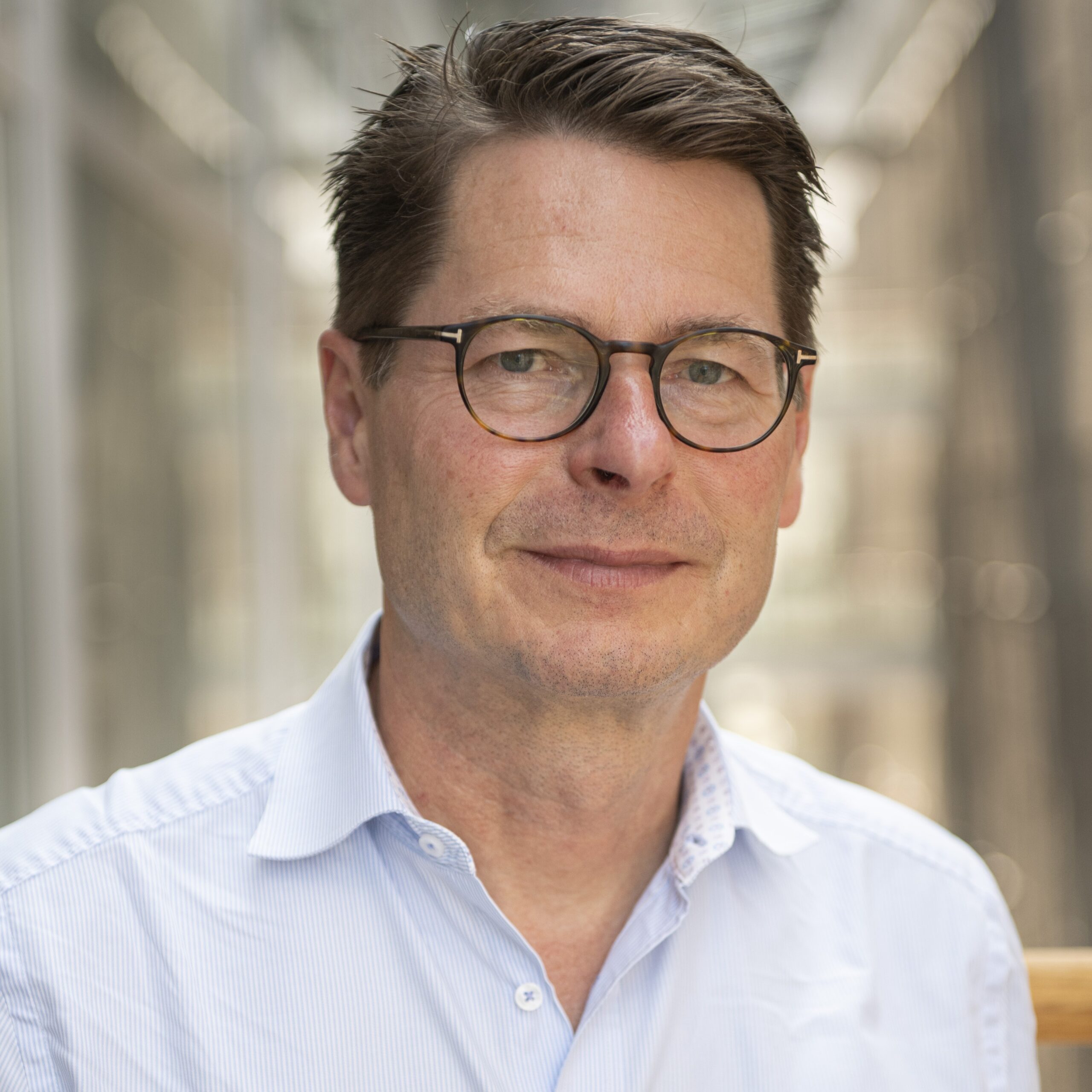
Immunocompromised individuals were largely excluded from the pivotal SARS-CoV-2 vaccine trials in 2020, despite being among the patients who experienced the worst COVID-19 outcomes. This gap created an urgent need to understand their responsiveness to SARS-CoV-2 vaccination. The three-year COVAXID clinical study initiated in early 2021 followed 539 immunocompromised and healthy individuals, characterizing their immune responses following SARS-CoV-2 mRNA vaccination. Participants across 21 subgroups provided serial samples for antibody, neutralization, and T-cell analyses against the ancestral SARS-CoV-2 virus and multiple later variants. Responses varied markedly across study groups. Early immunity was mainly vaccine-driven, while later responses reflected booster doses, infections, and passive antibodies from immunoglobulin replacement therapy. Findings support continued, individualized vaccination strategies and integrated immune monitoring for high-risk immunosuppressed populations.
Hans-Gustaf Ljunggren earned his medical and doctoral degrees at Karolinska Institutet. Following post-doctoral studies at MIT, Cambridge, MA, he was in 2001 appointed Professor of Infection Medicine and became the Founding Director of the Center for Infectious Medicine (CIM) at the Department of Medicine, Karolinska Institutet. Ljunggren has provided fundamental insights into the molecular specificity and function of NK- and T-cell recognition of virus-infected and tumor cells. In recent years, his work has expanded to include studies of immune responses in humans, including reactions to viral infections, vaccines, and cancer. He has undertaken multiple national and international assignments, including external research evaluations and advisory boards. He has served on the editorial boards of leading international journals and currently sits several the scientific advisory boards. He has been Scientific Secretary of the Swedish Cancer Society, Dean of Research at Karolinska Institutet, and is a member of the Nobel Assembly at Karolinska Institutet.
Associate Professor, Dept. of Medicine
Karolinska Institutet
Associate Professor, Dept. of Immunology, Genetics, and Pathology
Uppsala University
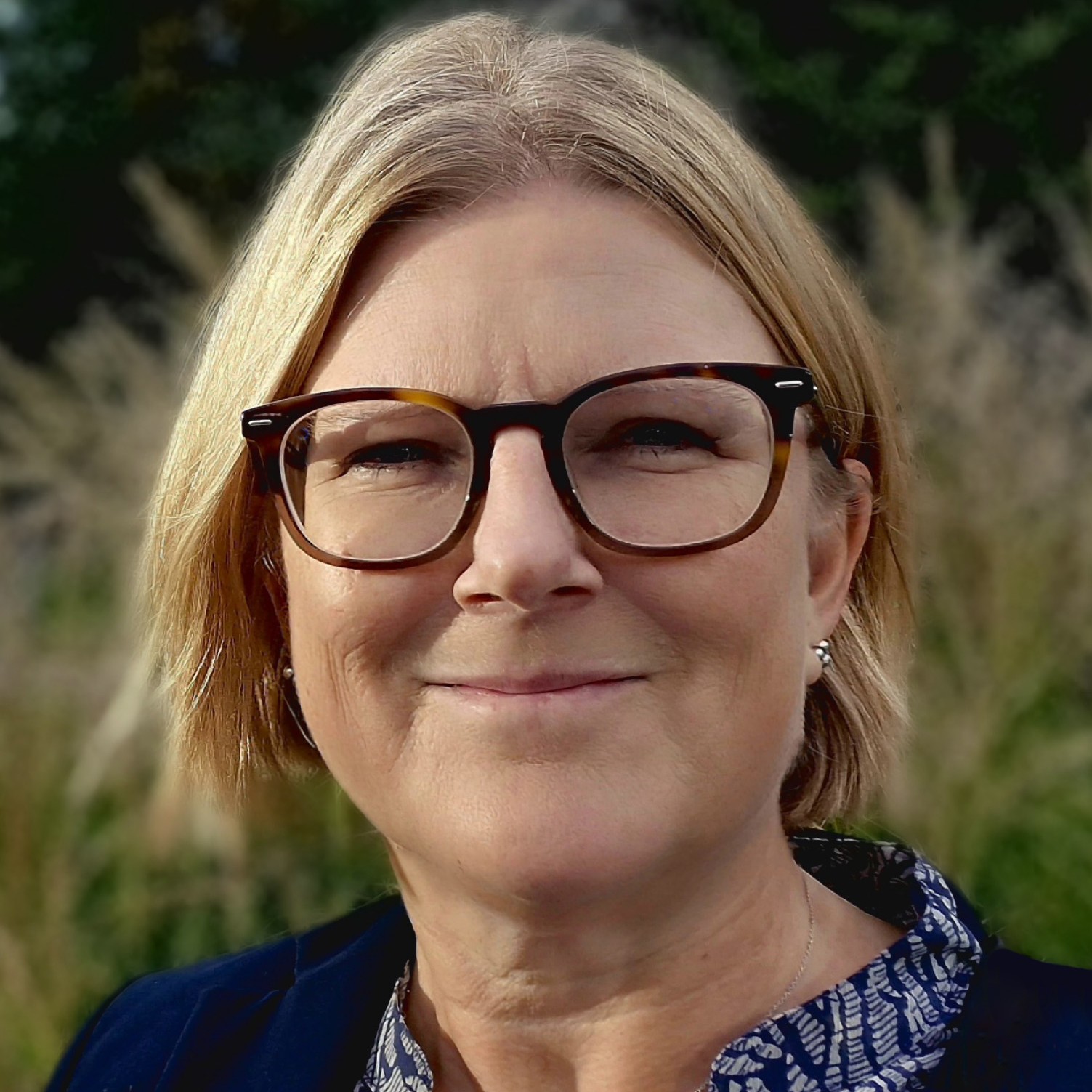
Chronic kidney disease (CKD) affects more than 850 million people worldwide and remains an area of major unmet medical need. Our research demonstrates that vascular dysfunction is a key driver of CKD progression and associated cardiovascular complications. Using genetic, molecular, and disease models, we have shown how dysregulated angiopoietin signaling leads to endothelial instability, increased permeability, and microvascular loss in the kidney. These mechanistic insights have enabled development of therapeutic strategies targeting angiopoietin pathways to restore endothelial homeostasis, preserve kidney function, and reduce systemic cardiometabolic risk.
Dr. Marie Jeansson is an Associate Professor in the Department of Medicine, Huddinge, at Karolinska Institutet, and in the Department of Immunology, Genetics, and Pathology at Uppsala University, Sweden. Her research focuses on the molecular mechanisms underlaying cardiovascular disease and therapeutic intervention, with particular emphasis on kidney disease, endothelial dysfunction, and the angiopoietin signaling system.
Dr. Jeansson earned her PhD from the University of Gothenburg in 2005 and subsequently, completed postdoctoral training at the Lunenfeld-Tannenbaum Research Centre in Toronto, Canada, from 2007 to 2013. Her research has been supported by major funding bodies including the Knut and Alice Wallenberg Foundation, Novo Nordisk Foundation, the European Foundation for the study of Diabetes, and the Swedish Research Council. She has published extensively in leading peer-review journals, including https://www.jci.org/articles/view/190286.
M.Sc. and Owner
HCP Life Science Innovation
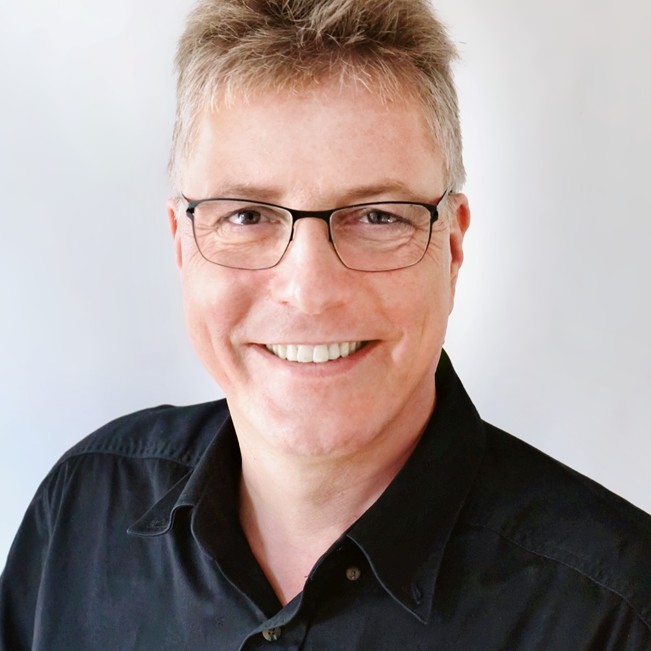
In recent years, numerous new technical solutions have entered the market, and skilled salespeople are ready to offer anything you request. But are these options always the right choice? How do you determine which technologies will provide the best research outcomes? What do specific technical features actually mean in the context of researchers’ needs, and what are the consequences of implementing them? Why is a low-priced solution not always cost-effective, and why doesn’t a “one-size-fits-all” approach work?
This presentation examines the range of technologies available today, explains their underlying technical characteristics, and discusses how these relate to the practical requirements of researchers.
Hans-Christoph Paul, M.Sc., is an engineer and the owner of HCP Life Science Innovation, with more than 20 years of experience in biobanking and automated biobank systems.
He has worked in technology development since 1998 and has generated more than 20 patents. Since 1999, Hans-Christoph has served as an expert for the Danish courts. In the same year, he contributed to the development of the first German cryobank.
Professor of Integrative Cancer Research
Uppsala University
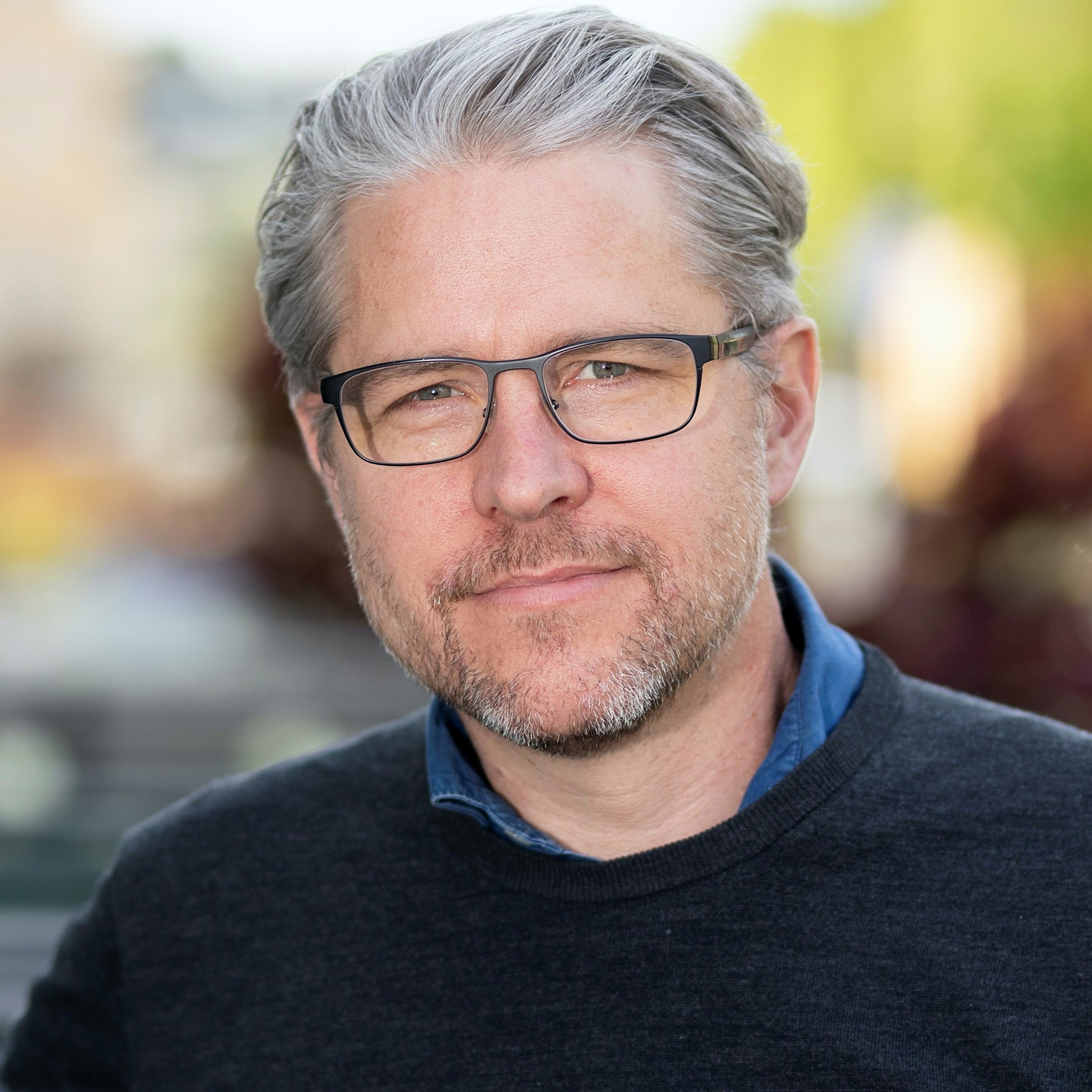
Glioblastoma is a highly aggressive brain cancer that kills by local invasion rather than metastasis. To slow or halt progression, we need to understand how tumour cells move, interact, and change state within brain tissue. We have developed Gliotrace, an ex vivo platform in which patient-derived glioblastoma cells are introduced into living brain explants or organoids and followed by long-term live imaging. A continuous AI-based analysis pipeline quantifies cell motility, plasticity, and cell–cell interactions, combined with endogenous fluorescent tagging to track how candidate drugs reshape invasion behaviour.
This work provides a functional and dynamic view of tumour invasion at single-cell resolution, enabling systematic testing of therapies that aim to redirect tumour cell states and reduce invasive spread in a setting that is closer to patient biology than standard in vitro assays. Together with new evidence that reprogramming tumour cell plasticity can extend survival in mouse models [2], this positions Gliotrace as a new tool to support intervention-driven, dynamic analysis of tumour invasion.
I will also describe how we are building on this platform in the new, SSF-backed CNS×3 centre, focused on dynamic modelling of brain disease and on integrating experimental systems with computational analysis to support more patient-proximal understanding and intervention.
Sven Nelander is Professor of Integrative Cancer Research at Uppsala University. His group combines experimental and computational methods to probe brain-tumor plasticity and to develop tools for studying spatiotemporal processes in brain disease. Trained at Gothenburg University (PhD) and Memorial Sloan Kettering Cancer Center (postdoc), he has established a laboratory known for bridging mechanism and method. Since 2025 he directs the CNSx3 Center for Brain Disease Models, and from 2026 he serves as head of the UUniFI AI Institute.
References:
[1] Mangukiya, Skeppås et al., bioRxiv 2026
[2] Doroszko, Stockgard et al., Nature Communications 2025
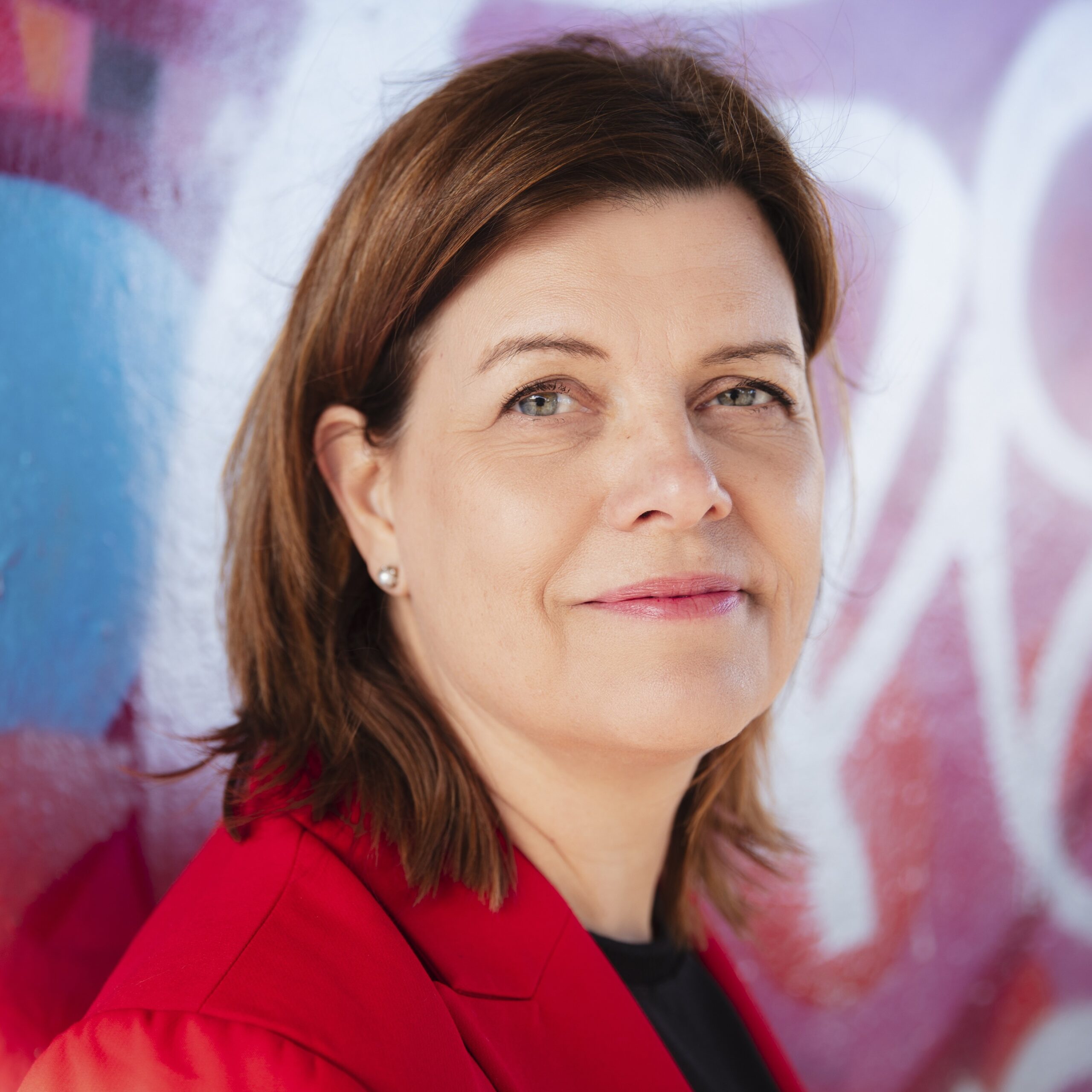
CEO
Aqilion
TAK1 (Transforming growth factor-β-activated kinase 1) serves as a central signaling hub integrating innate immune responses and inflammasome activation. Aqilion identified TAK1 as a high-value drug target due to its regulation of clinically validated inflammatory mediators including TNFα, IL-1β, and TLR signaling across multiple disease indications. Following the return of this program from an early preclinical out-licensing agreement, Aqilion has advanced development of AQ128, a novel TAK1 inhibitor for psoriasis treatment. This presentation will cover the therapeutic rationale for TAK1 inhibition, key preclinical findings supporting AQ128’s progression, insights from our partnering experience, and the strategic considerations driving our commitment to this program.
Sarah Fredriksson is a scientist turned entrepreneur. Her main inspiration and motivation come from new knowledge and science that could potentially change the future for people suffering from diseases that currently lack effective treatments. She founded Genovis AB right after completing her PhD in biochemistry at Lund University. Over more than 15 years as CEO, she was part of a young, dedicated team that developed and launched products on a global market, including through subsidiaries in the US. The company was listed on First North, Nasdaq OMX Nordic, at the same time.
Sarah has many years of experience in leadership and product development within smaller, innovative biotech companies. For several years, she’s been active as an entrepreneur, CEO, and board member of both private and public life science companies. She has also served on the board of Lund University, Lund University School of Engineering (LTH), and the industry organization SwedenBIO. Additionally, she is active as a mentor at the Termeer Institute in the US.
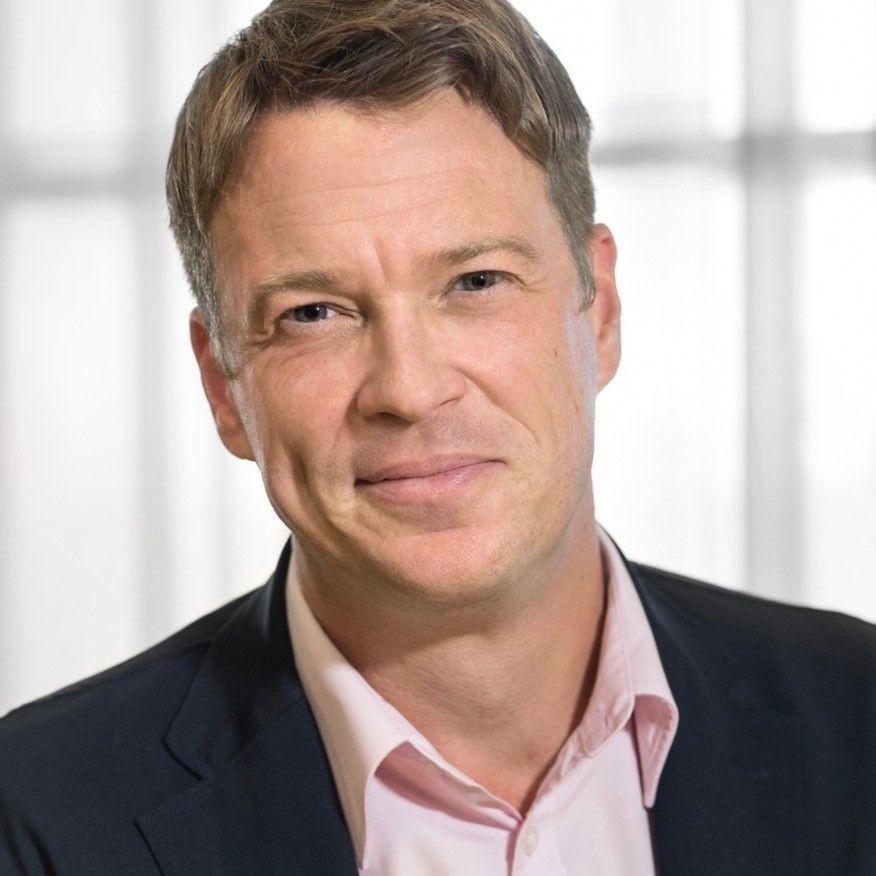
CEO
ScandiBio Therapeutics
ScandiBio Therapeutics is a clinical-stage biotechnology company founded by researchers from KTH Royal Institute of Technology, Karolinska Institutet and Sahlgrenska Academy in Sweden, and is part of Navigare Ventures’ portfolio. The science originates from research conducted at the Science for Life Laboratory in Stockholm, led by Dr Adil Mardinoglu and Professor Mathias Uhlén, and at the Sahlgrenska, by Professor Jan Boren. The company has developed an AI-based modeling platform for drug development aiming for neurodegenerative and metabolic diseases. Drug candidates consisting of a combination of several metabolic activators have been developed aimed at improving the condition of patients with mitochondrial dysfunction. A large number of human clinical trials have been conducted to treat various diseases, including patients with Alzheimer’s disease and Parkinson’s disease. In December 2025, the company announced that the first 100 patients have been recruited to a multi-centre, Phase 3 human clinical trial in Turkey evaluating the efficacy and safety in patients with Alzheimer’s disease. A second Phase 3 trial with the same drug candidate is planned to start in the first half of 2026 to treat patient with elevated uric acid levels resulting in gout flares. For more information, see: scandibio.com.
Dr Olof Nord is a life science global executive with +25 years of leadership experience across biotech, biopharma, life science tools, diagnostics and medtech, with extensive responsibility for international commercialization and business development, including an organic and in-organic strategic growth expertise. Before joining ScandiBio Therapeutics, he held senior roles at Abbott, Biotage, Becton Dickinson and Analyticon Biotechnologies, where he led international and regional commercial organizations across USA, Europe, MEA and Asia. He holds both a Master of Science in Chemical Engineering and a Doctoral Degree in Biotechnology, both achieved from the KTH Royal Institute of Technology.
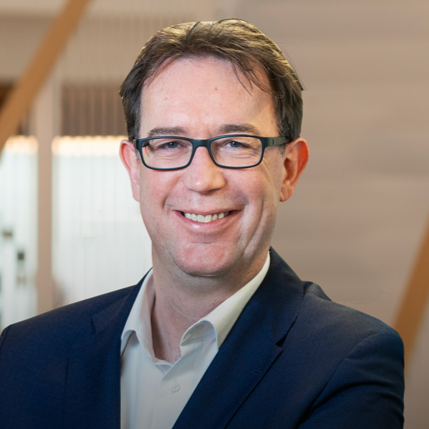
CEO
HUB Organoids
Patient-derived organoids (PDOs) are increasingly recognized as human-relevant models to bridge the translational gap between preclinical research and clinical outcomes. In this talk, we will describe how HUB Organoids has translated adult stem cell–derived organoid technology into a scalable, quality-controlled platform supporting drug discovery, translational research, and clinical development. HUB’s biobank comprises well-annotated organoids across major cancer indications, preserving the genetic and phenotypic characteristics of the original patient tumors. Foundational studies in breast cancer demonstrated that organoids capture both inter- and intra-patient heterogeneity and enable robust and reproducible drug response profiling across large patient cohorts. Importantly, recent clinical validation data show that PDO drug sensitivity correlates with patient responses to standard-of-care therapies in metastatic colorectal cancer, supporting the use of organoids as functional biomarkers. Together, these findings highlight how clinically grounded organoid platforms can de-risk drug development and support more informed translational and clinical decision-making.
Robert Vries received his PhD in Biochemistry from the Leiden University Medical Center where he studied oncogenic cell transformation in the lab of Prof. van de Eb. He subsequently moved to Stanford University (USA) to pursue his post-doctoral career on neural stem cells. Upon his return to the Netherlands, he joined the group of Prof. Hans Clevers at the Hubrecht Institute where he was involved in the development of the breakthrough “Organoid Technology” that allows the expansion of adult stem cells and the development of “mini-organs in a dish”. Rob is currently CEO of HUB, which was founded to further develop and refine the Organoid Technology.
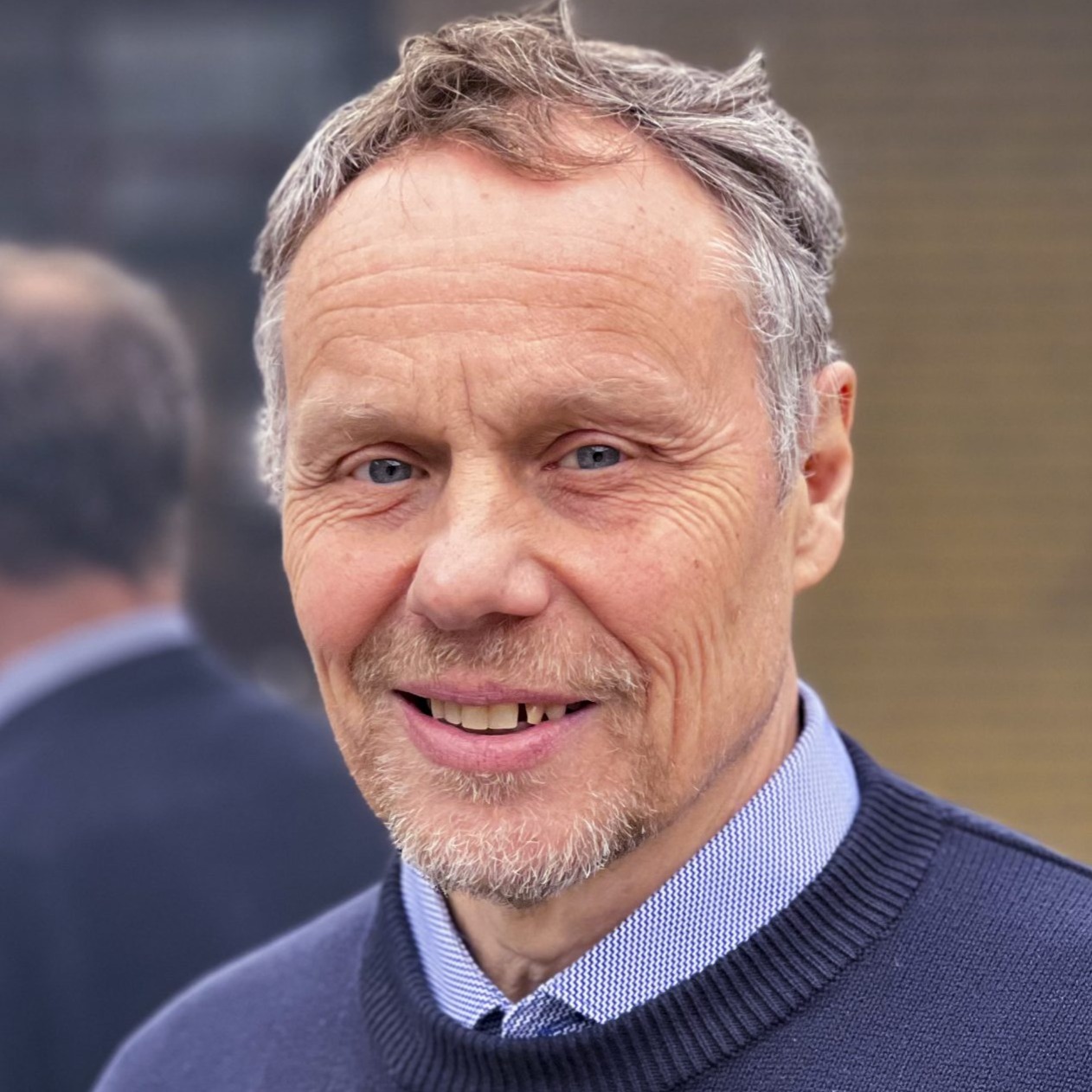
Vice Dean of Infrastructure and Facilities
Sahlgrenska Academy, University of Gothenburg
The research infrastructure at the Sahlgrenska Academy of University of Gothenburg will be described and its importance for research and education at the faculty of medicine illustrated. Its significance for implementation of precision medicine and precision diagnostics in health care will be discussed and exemplified as well as its importance for the local and national life science ecosystems. On-going research facilities projects on Medicinareberget (the Medical Hill) will be described and their importance for the future of the Life Sciences in West Sweden outlined.
Dr. Jan Holgersson, M.D., Ph.D., is Vice Dean for Infrastructure and Facilities and Professor of Transplantation Immunology at the Sahlgrenska Academy, University of Gothenburg. He holds board certification in Clinical Immunology and has served as Senior Consultant and Director of Clinical Immunology and Transfusion Medicine at Sahlgrenska University Hospital. He is a member of several national infrastructure steering groups including Cell and Gene Therapy Sweden, GMS Sweden, and Biobank Sweden. His research spans transplantation immunology, glycobiology, and xenobiology, including antibody diagnostics and glycan-engineered therapeutics. He is co-founder of several biotech companies, including VERIGRAFT and Cell4Cure, translating immunological innovations into clinical and commercial applications.
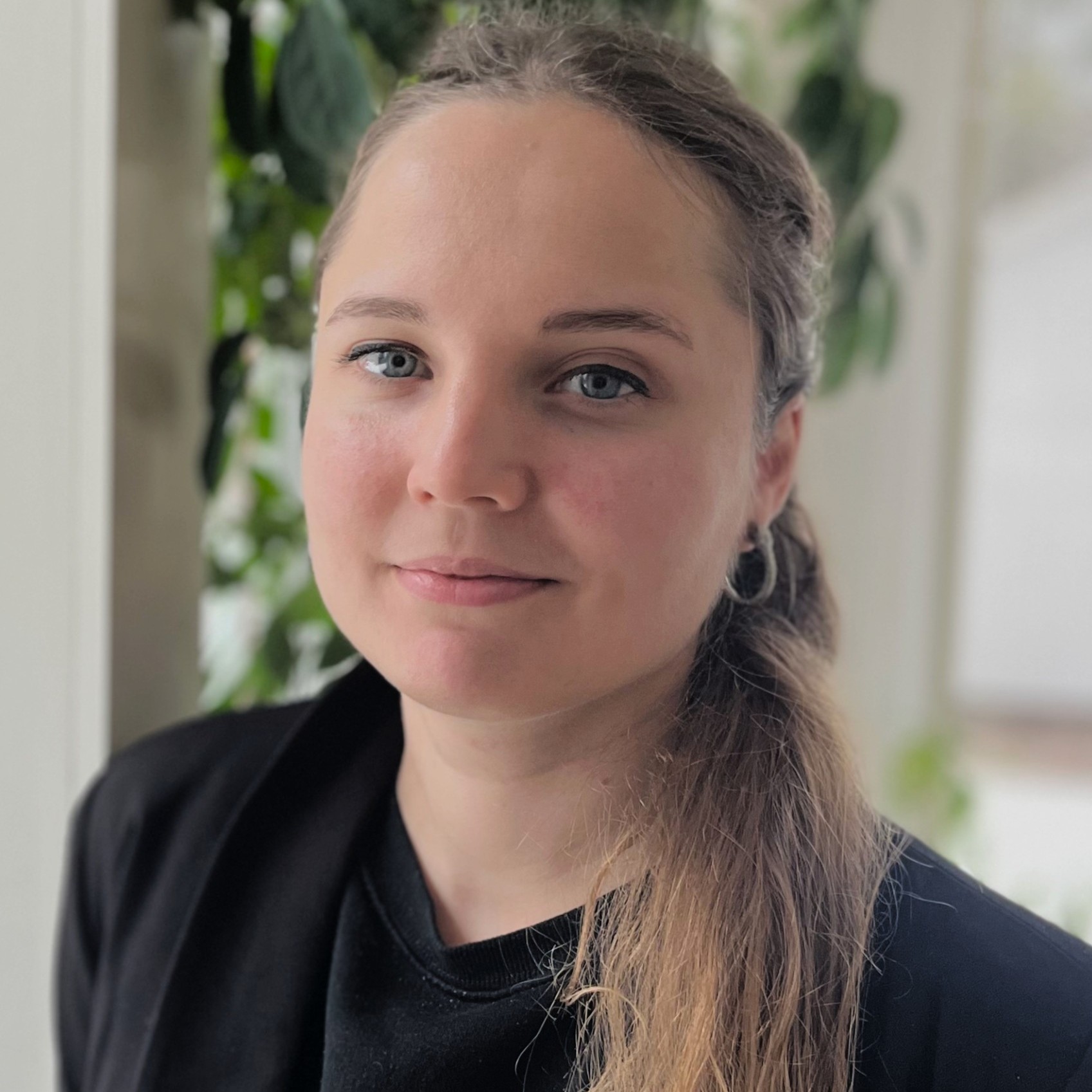
Downstream Customer Support Specialist
Testa Center
Testa Center is a non-profit, open-access innovation hub for biological production, available to academic researchers, start-ups, SMEs, and large industries. Users gain access to industry-standard laboratories for biological production, state-of-the-art infrastructure, and expert support. Our labs are equipped with pilot-scale biomanufacturing platforms and cutting-edge equipment for upstream, midstream, and downstream unit operations in a controlled, non‑GMP environment. We serve as a large-scale test bed for a wide range of projects, from bench-top research to scaled-up production of biopharmaceuticals intended for commercialization, including mRNA, monoclonal antibodies, recombinant proteins, vaccines, and viral vectors. Besides classical wet lab-based biological projects, also technical and digital innovations and solutions, like sensors, remote process control, data management and more, can be tested and evaluated in the industry-relevant application and production environment that Testa Center offers.
At Testa Center, innovation projects can organically build value through pilot testing for scalability and manufacturability, control or reduce risks before entering GMP production, accelerate time-to-market, and/or generate large quantities of material for research and development.
Dr. Laura Okmane is a downstream customer support specialist at Testa Center, where she focuses on helping clients develop purification processes that can be efficiently scaled from laboratory conditions to an industrial production environment. She contributes to project discussions with Testa Center clients, participates in collaboration projects, and provides technical guidance in the lab.
She holds a PhD in Biotechnology from Swedish University of Agricultural Sciences, where she also carried out her postdoctoral project. Laura’s main research focus has been in the protein science field, where she has accumulated ten years of experience.
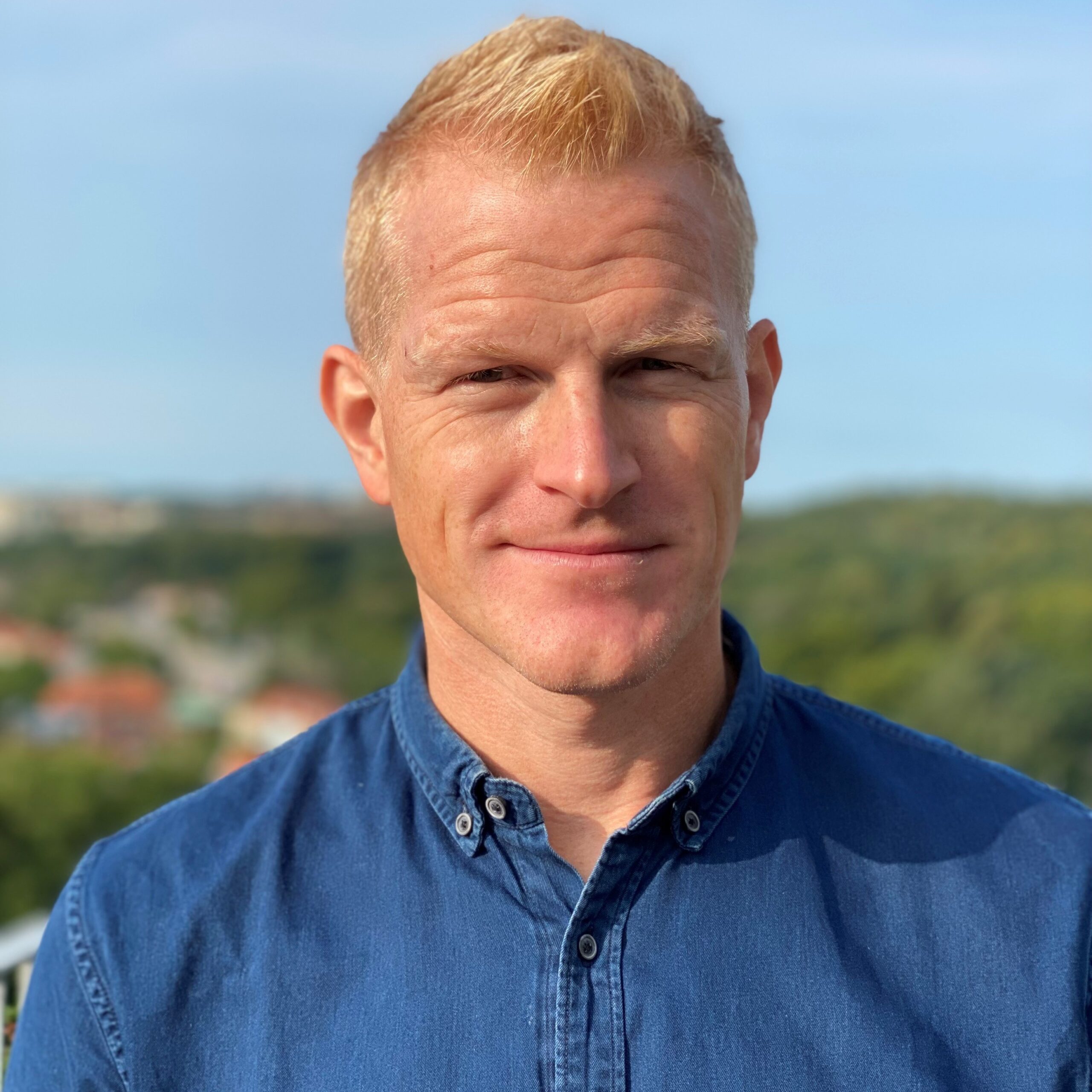
Senior Tissue Engineer
VERIGRAFT
There is a great need for new tissues and organs around the world. But as transplanted donor tissues are rejected by the patient’s immune system, they are forced to rely on immunosuppressing medicine for the rest of their life. This leads to a significantly increased risk of infections and cancer, among other side effects. Consequently, new tissues are only used as a last resort, for life threatening conditions.
VERIGRAFT has developed a pioneering technique that uses autologous components from the recipient’s blood to create personalized tissue-engineered veins (P-TEV) that can be implanted without the need for immunosuppressive drugs. These grafts have successfully been used in the recently completed TECVI-1, first-in-man clinical trial, in patients with chronic venous insufficiency (CVI).
Dr. Tobias Hedberg is a Senior Tissue Engineer in the R&D group at VERIGRAFT and has been in the company since 2017. His work mainly focuses on product and method development for creation of personalized tissue grafts. In recent years he has been the project leader for VERIGRAFT’s participation in TeleGraft, a Horizon Europe project funded by the European Commission. Prior to his current role at VERIGRAFT he was as Senior Research Scientist within the department of Biosciences at AstraZeneca. Tobias holds a PhD in immunology from the University of Gothenburg, department of Microbiology & Immunology, studying dendritic cells and adjuvants.
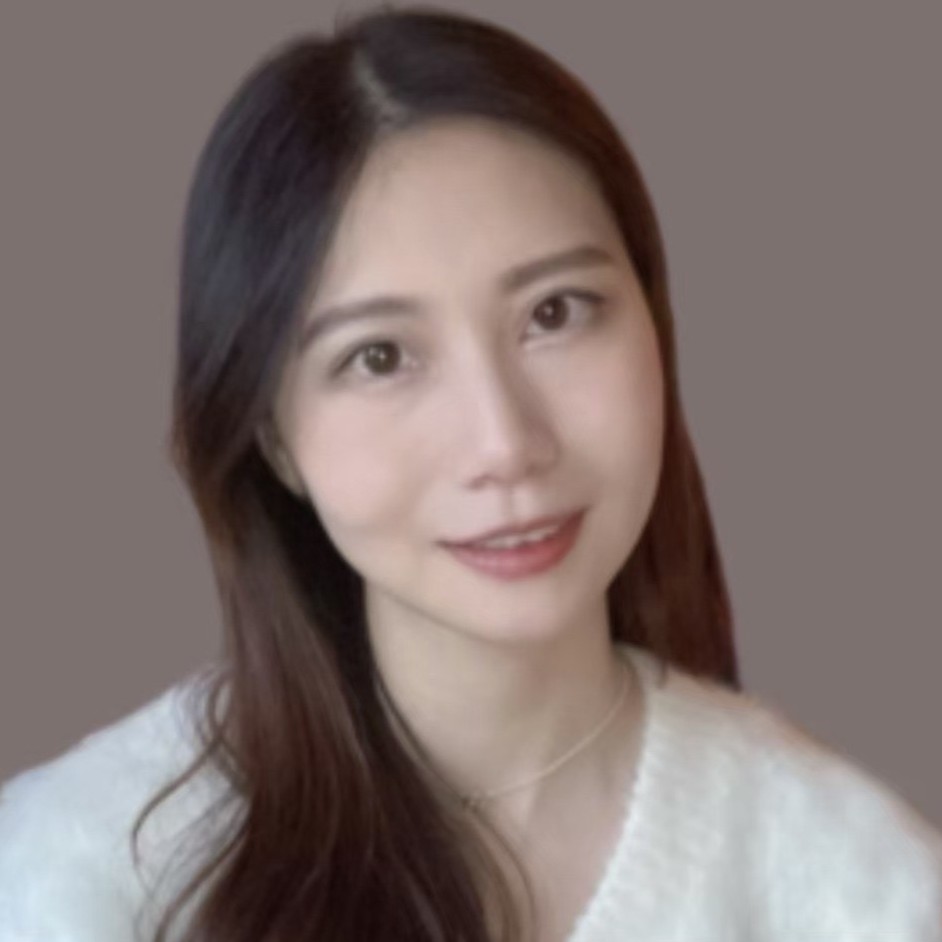
Nordic Life Science Sales and Marketing Manager
MedChemExpress
MedChemExpress (MCE) provides high-quality research reagents and tools to empower scientific discovery. This presentation highlights our comprehensive portfolio, including bioactive small molecules, PROTACs, recombinant proteins, and compound libraries, supporting diverse areas such as cancer, immunology, and neuroscience. All products undergo rigorous quality validation with analytical documentation to ensure reproducibility and reliability. Partner with MCE to access the tools and expertise that accelerate your research and drive breakthroughs.
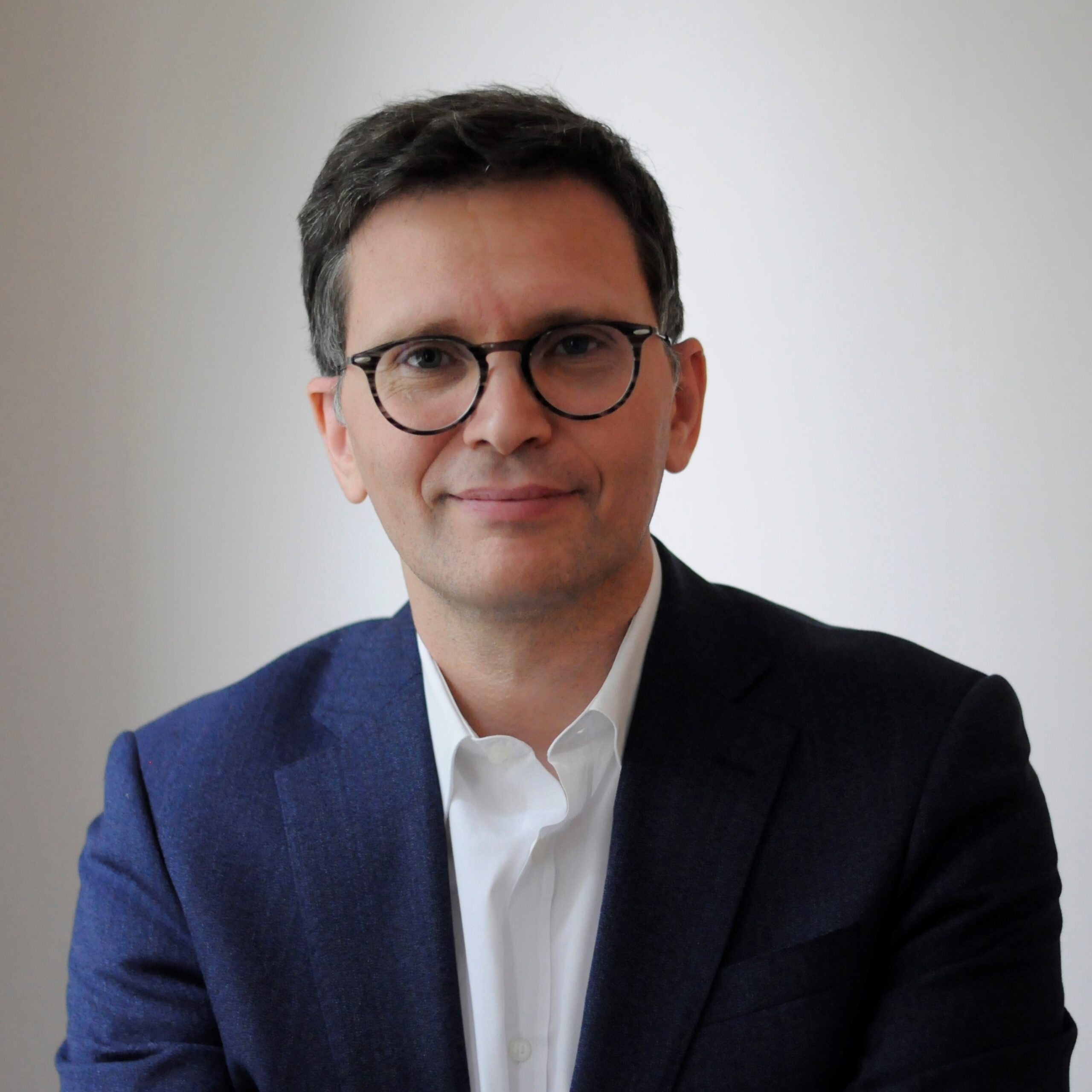
Editor-in-chief
Life Science Sweden
Samuel Lagercrantz is the editor-in-chief for Life Science Sweden. As a journalist, he has mainly covered medicine and healthcare. Among other things, he has worked for nine years at Dagens Medicin in various roles, mostly as a reporter and as a theme editor. He has also been acting editor-in-chief of Svensk Farmaci and has taken on consulting assignments in the field of science communication for, among others, the The Swedish Cancer Society. He studied journalism at Uppsala University.
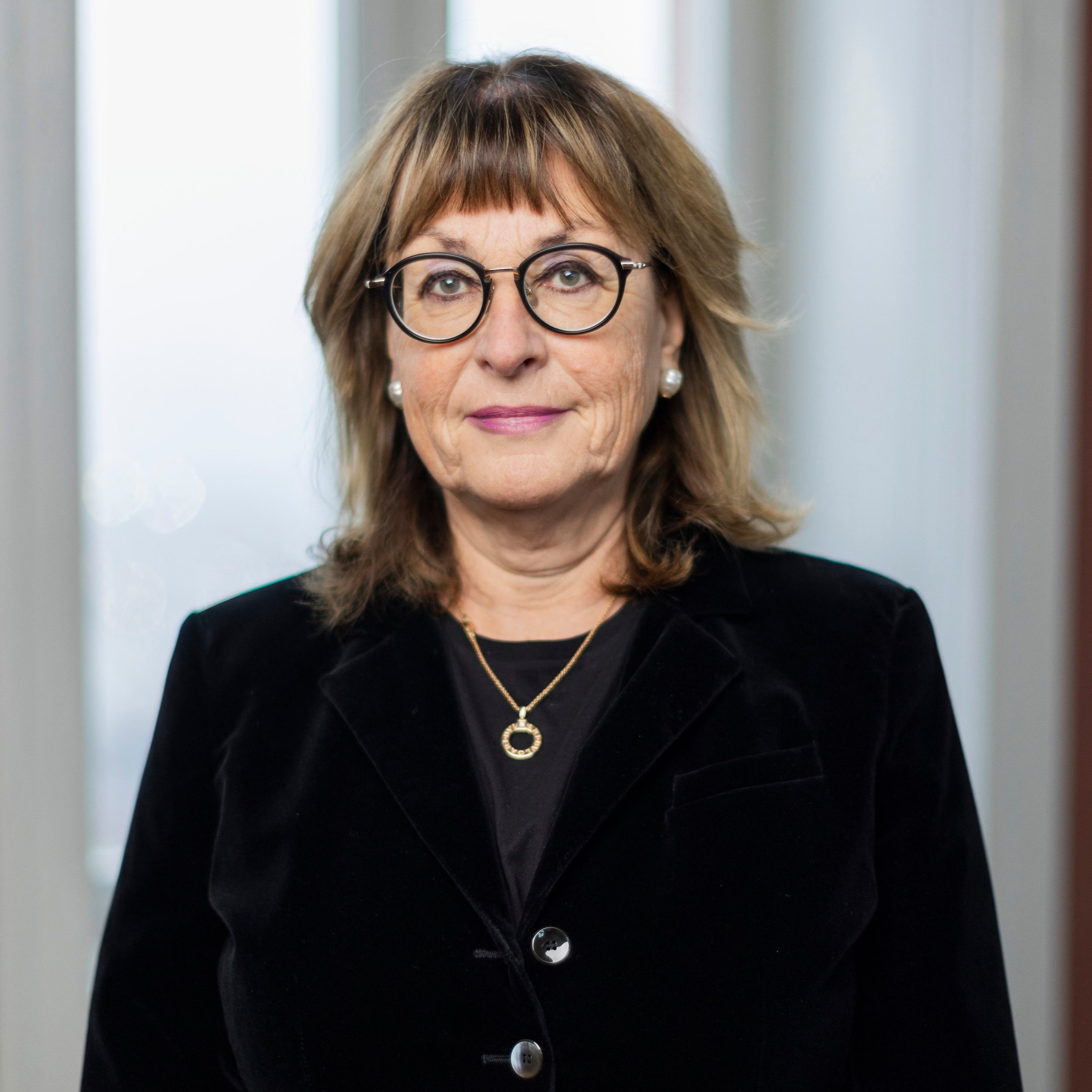
Photo: Melker Dahlstrand/Nationella vårdkompetensrådet
Professor in Dermatology and Venereology, Sahlgrenska Academy
Chair of the Board, Forska!Sverige
Research and innovation of today is tomorrow’s standard health care methods and diagnostics and yesterday’s R and I is what we these days are using as standard diagnostics and treatment for our patients.
During the pandemic we could acknowledge the importance of R and I working in close collaboration with health care. As one of the many results we saw the rapid production of covid vaccines. The working together between health care, academy and industry i.e. life science is the only way to move forward.
This presentation is about the importance of managers and leaders having the right background, education and courage to make this happen in health care of today. Much focus is on the economy, and we can also see a loss of academic competence.
Professor, M.D and Ph.D. in Dermatology and Venereology at Sahlgrenska Academy, Gothenburg University. Chair of the organisation of Research!Sweden. Member of the Health Committee at the Royal Swedish Academy of Sciences. Ann-Marie is also a member of the Swedish Quantum Life Science Centre and a member of the steering group of SIISH (faster implementation of innovation in Swedish healthcare). Former CEO of Sahlgrenska University Hospital (2016-2023). Former chair of the National Health Competence Council (2020-2024). Earlier member of former Prime Minister Stefan Löfven´s National Innovation Council (2019-2022). Ann-Marie Wennberg Larkö has experiences from several management positions, believes in close cooperation between industry, health care and academia and has a great passion for Change Management in Health Care.
Co-founder and CSO
QureTech Bio
The discovery and applications of antibiotics have played a crucial role in modern medical history and have protected humans from life threatening infections. However, misuse of broad-spectrum antibiotics has enabled bacteria to develop resistance to most of the existing antibiotics.1 Hence, development of new antibacterial agents with unique structures and unconventional mode of action is urgently needed to alleviate the global drug resistance problem. We have developed a novel class of synthetic antibiotics derived from a bicyclic thiazolo-2-pyridone scaffold that we have named GmPcides (Gram Positive Cides). More than 300 analogues have been synthesized, a number of these novel GmPcides show antibacterial activity in the low micromolar range. The new GmPcides are bactericidal to MRSA resistant to last-resort antibiotics, such as daptomycin, as well as to non-dividing MRSA cells, such as preformed persisters. Importantly GmPcides showed favorable efficacy in a mice model of S. aureus murine skin and soft tissue infections and the bacteria have so far been unable to develop resistance to this new generation GmPcides. This presentation will describe the discovery of the GmPcides and our efforts to bring this potentially new antibiotic class to the market.
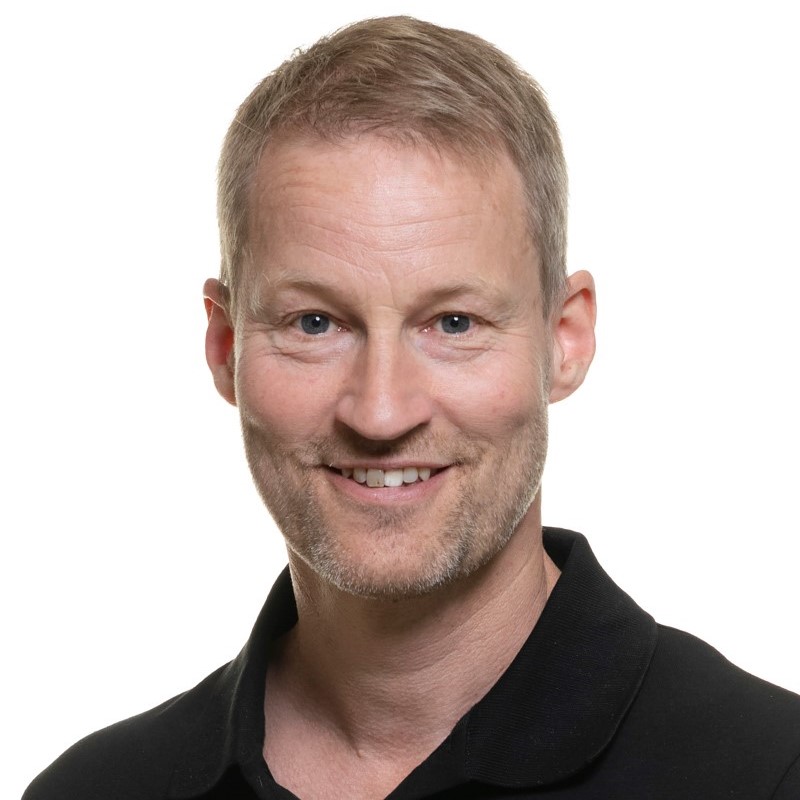
Dr. Fredrik Almqvist is Professor in organic chemistry at the Department of Chemistry, Umeå University. He is also the Director of Umeå Centre for Microbial Research (UCMR) at Umeå University. Almqvist has more than 25 years of experience in research projects aiming at finding new alternatives to combat pathogenic bacteria. He is an organic and medicinal chemist by training but his research activities have been collaborative, involving experts in complementary fields ever since he started his independent career in the late 90’s. Besides his Academic work he has also started two companies where the company QureTech Bio AB specializes in new antibiotics to make a difference within AMR.
CEO
Ventri Labs
Traditional pumps can pose significant challenges in critical processes like bioprocessing and clinical applications, where precision and fluid integrity are essential. Conventional pumping systems can introduce shear stress and instability, compromising the safety and effectiveness of delicate fluids. In this presentation, we will explore these challenges and introduce a solution through VentriLabs’ gravity-mediated flow technology. This gentle and versatile technology offers maximum protection for sensitive fluids while providing flexibility and ease of use. We will share data demonstrating how this innovative approach improves fluid handling, ensuring safer and more efficient processes.
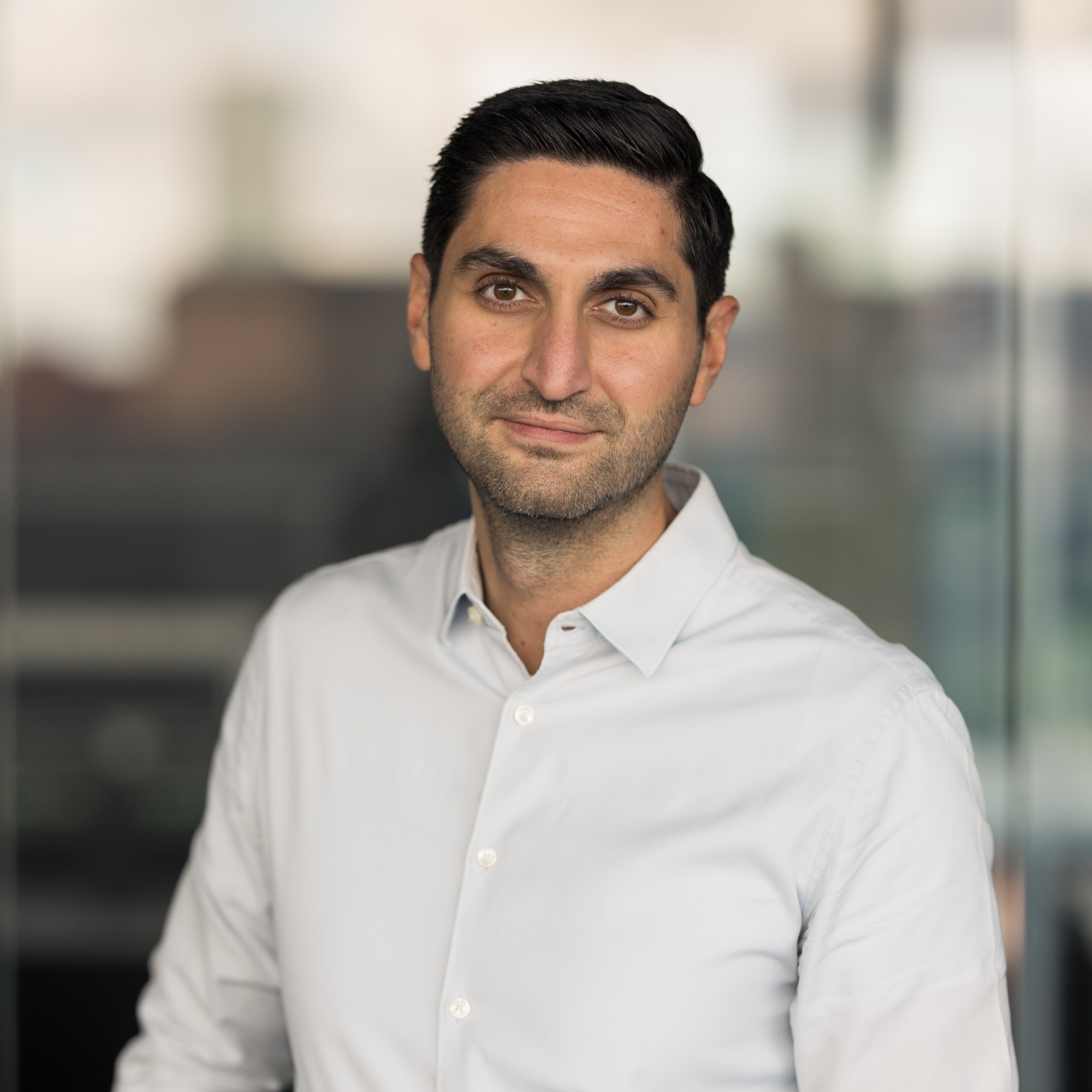
Robin holds a PhD in biophysics from Chalmers University of Technology, Sweden, and has successfully led cross-functional and international R&D teams in developing innovative fluidics technologies. With extensive experience in business development and team management, he specializes in driving cutting-edge research toward real-world applications. As CEO of VentriLabs, Robin is focused on advancing precision fluid handling solutions with a strong emphasis on safety and efficiency.
Professor of Surface Chemistry
Chalmers University of Technology
Bacteria are essential for life but can become lethal when infections occur. While antibiotics have been our primary treatment for bacterial infections, the ever-increasing threat of antibiotic resistance necessitates the development of alternative therapies
Antimicrobial peptides (AMPs), natural defense molecules found in most multicellular organisms, offer a promising alternative to traditional antibiotics. Here, we present a hydrogel-based medical device combined with AMPs, designed for wound care applications. This hydrogel rapidly eradicates bacteria, including antibiotic-resistant strains, neutralizes toxins, and enhances antibiotic efficacy, even restoring sensitivity in resistant bacteria. With over 100 successful case studies in veterinary clinics across Europe, the device is already commercially available. Regulatory approval for human use is anticipated in 2025, marking a significant step toward innovative infection management.
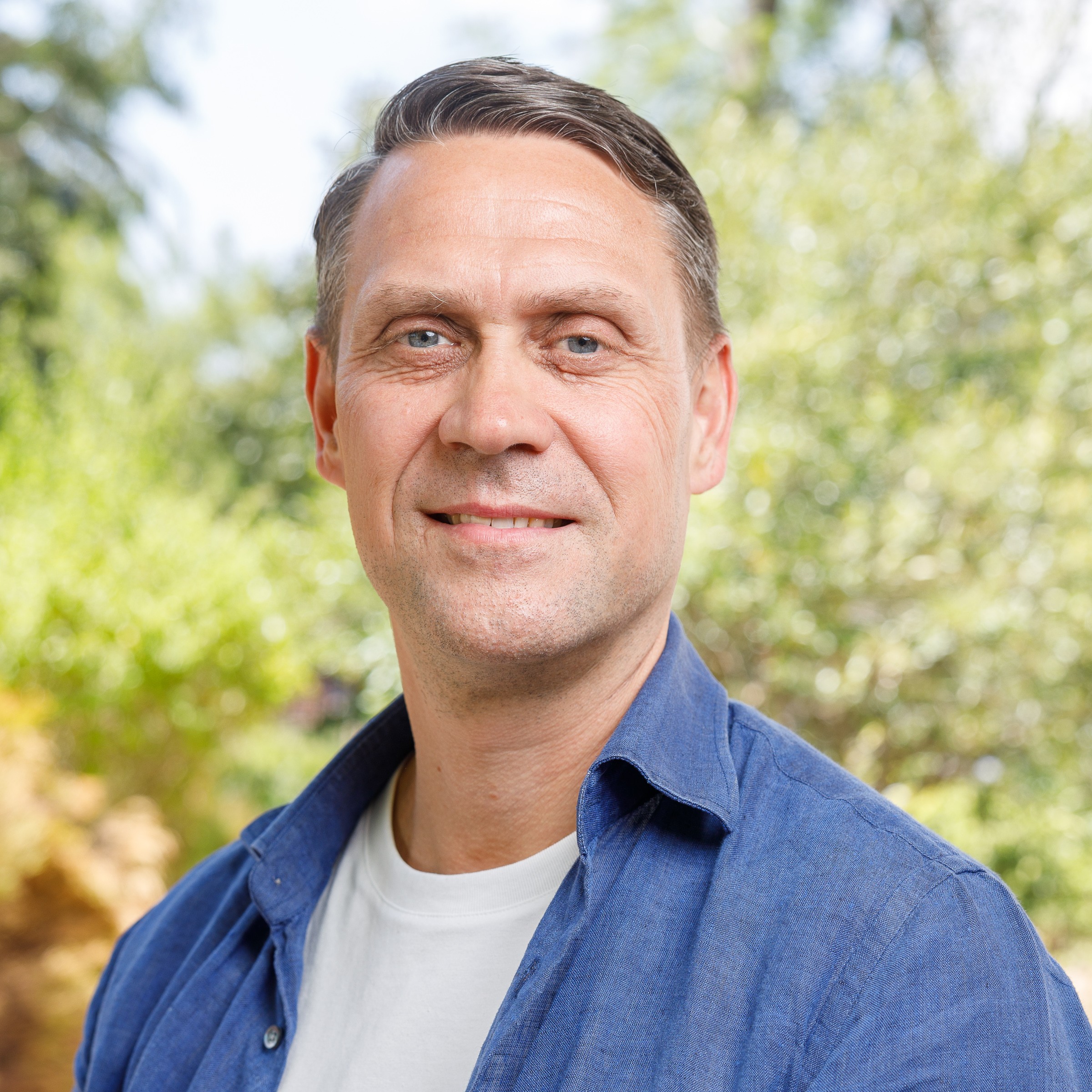
Dr. Martin Andersson is a Professor of Surface Chemistry at Chalmers University of Technology, specializing in nanochemistry and biomaterials. His research focuses on materials and devices for medical applications. He has led multiple projects on antimicrobial peptides (AMPs) and developed a hydrogel-based medical device combating antibiotic-resistant infections. His work has resulted in several patents, publications, and industry collaborations. Martin is passionate about translating scientific discoveries into practical healthcare solutions and is the co-founder of several companies, including Promimic AB, Amferia AB, Retein AB, and Vitroprobe Analytics AB.
Docent in Medical Molecular Biology
Uppsala University
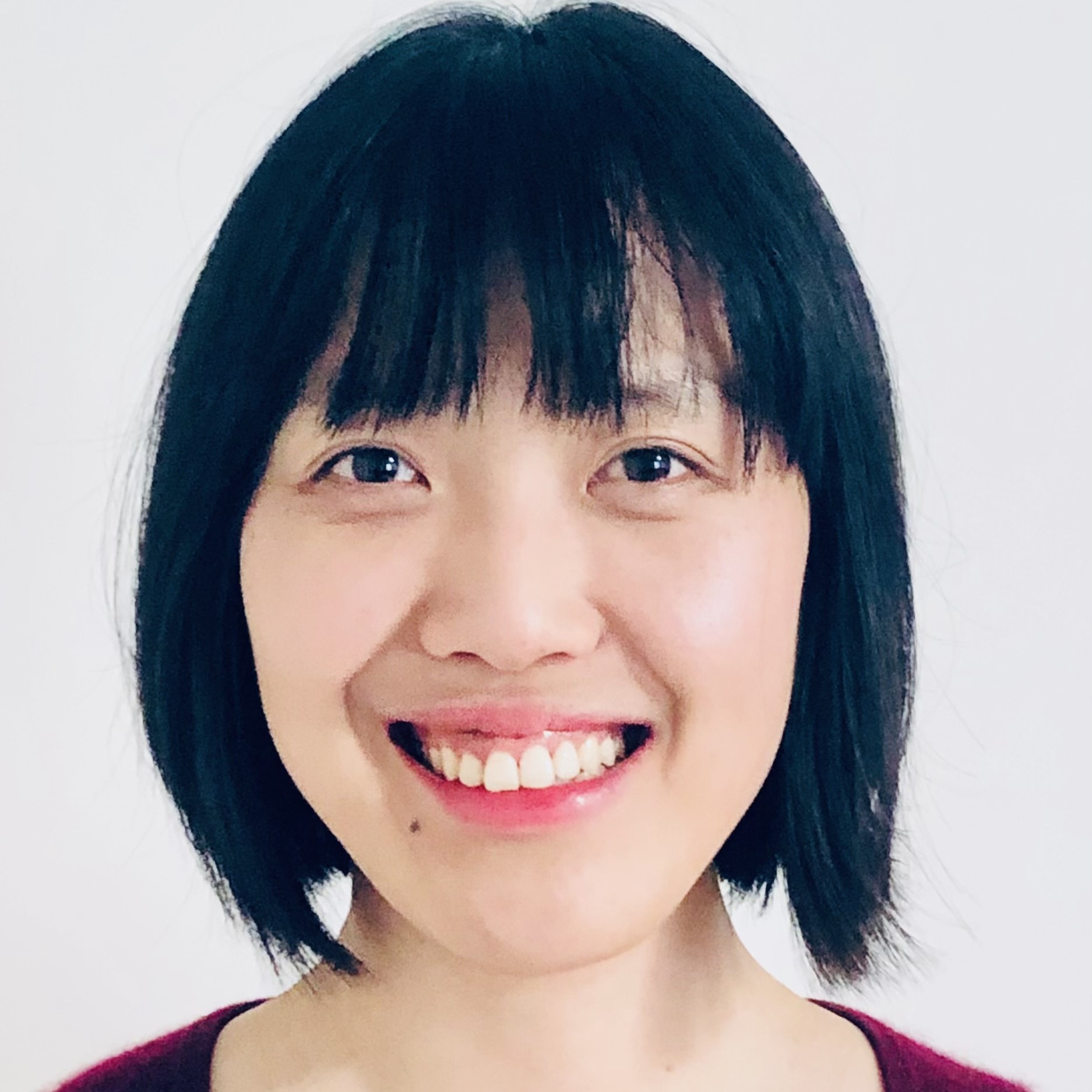
The development of targeted anti-cancer therapies has primarily focused on exploiting molecular differences between cancer and normal cells to identify drug targets that selectively kill tumor cells. However, the effectiveness of many targeted therapies is often compromised by the development of drug resistance, underscoring the need for innovative strategies to address this challenge. Loss of heterozygosity (LOH), a frequent genetic event in cancer, can affect more than 20% of the genome in certain tumor types, leading to the loss of allelic variation in thousands of genes and creating genetic distinctions between tumor and normal cells. In our current work, we devise a strategy that targets the prevalence of loss-of-function alleles and LOH in cancer genomes. By leveraging tumor-specific loss of activity in one such target gene, CYP2D6, we identify a clinically approved drug with the potential to exploit this vulnerability. This opens the possibility for repurposing existing medications to treat cancers with unmet medical needs, using gene panel sequencing to guide precision medicine.
Xiaonan Zhang is a docent in Medical Molecular Biology. She earned her Ph.D. from Karolinska Institute and continued her research as a postdoctoral fellow at both Karolinska Institute and the University of Minnesota. In 2020, she returned to Sweden to join Uppsala University, where she leads several research projects. Since her PhD, Xiaonan Zhang has focused on developing novel strategies to target the unique vulnerabilities of cancer cells, particularly those resistant to conventional treatments.
Associate Professor of Experimental Pathology
Lund University
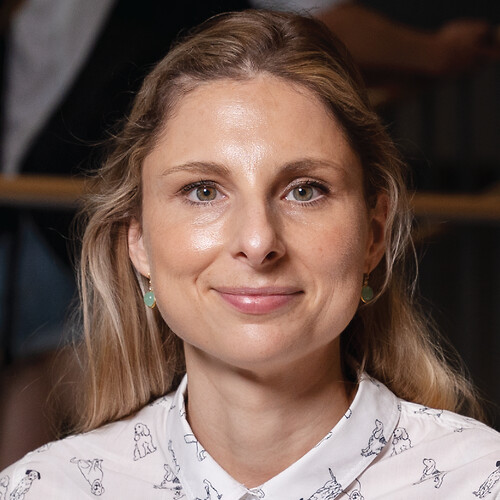
The patterns of secondary tumor (metastatic) spread to distant organs differ between cancer types. This strongly suggests that the formation of metastases requires organ-specific capabilities by tumor cells and non-malignant accessory cells, such as immune cells, in the microenvironment. These organ-specific capabilities might hide cellular vulnerabilities that could be targeted therapeutically. To cure patients with metastatic cancer, we may have to consider the metastatic site.
Catharina Hagerling is a Principal Investigator and Associate Professor at Lund University. She is a trained doctor with experience in Clinical Pathology and holds a PhD in Experimental Pathology. Catharina has been a postdoc fellow in the well-renowned laboratory of Professor Zena Werb at the University of California San Francisco. With her basic science expertise and clinical experience, she has positioned her research in the translational interface and applied technologies at the scientific forefront to answer challenging scientific questions. In 2024 she received the Childhood Cancer Award of the Year from the Childhood Cancer Foundation (Barncancerfonden) and the Translational Research Award from the Swedish Society of Medicine (Svenska Läkaresällskapet) for her work on adult and childhood metastatic cancer.
CEO and Chairman
Abarceo Pharma
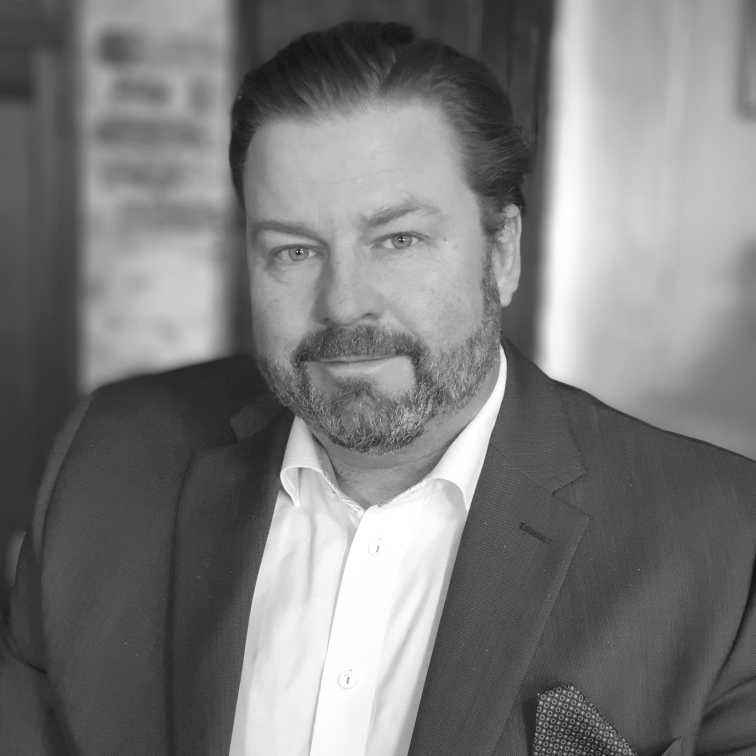
Life science is a deeply rewarding business. A lot fails, a few succeeds but we all strive passionately to make a difference in patients lives. I have the joy to go to work on a daily basis (including weekends) knowing that Abarceo has made a discovery that may transform the lives of millions of people, all because of an ion channel called VDAC1.
VDAC1 is essential to mitochondrial health, mitochondrial health is key to cellular function and when it doesn’t work cells stop working. That includes insulin producing cells. In dysfunctional Beta cells, Abarceo has demonstrated a Lazarus effect, i.e. reviving and restoring the ability to produce insulin, an absolutely groundbreaking possibility for Diabetics.
Adam Bruce is CEO and Chairman at Abarceo Pharma. Entrepreneur, inventor and life science enthusiast. Business studies in Lund, French and life studies in Paris. Founder, Chairman, BD and coffee maker at TikoMed for several years from innovation to Phase 2. Immersed in multiple indications from islet transplantation to neurology.
Chief Scientist, Renal Disease
AstraZeneca
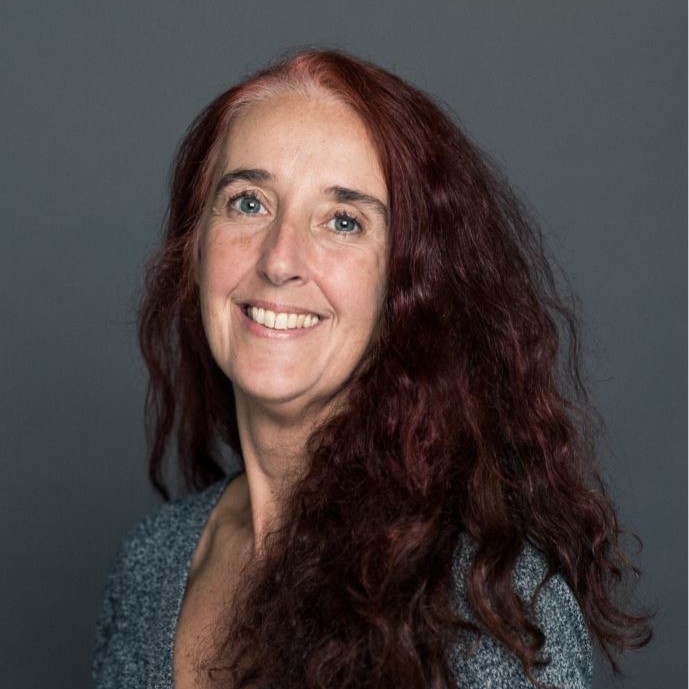
Kidney disease is an increasing health burden across the world, but with over 40 different cell types in a kidney, how do we begin to identify drug targets? Using large data, AI algorithms, mechanistic models and, most importantly, experts in the field we determine what could be the drugs of the future. In this presentation we will explore the pro’s and con’s of different approaches.
Julie started life as an academic researcher at University of Birmingham UK within paediatric and adult rare renal diseases. Here she led a research group working on cellular mechanisms of disease but taking full advantage of the translational environment within the aligned hospitals. Following that she moved into the adjacent translational clinical research facility to run a trials laboratory and facilitate cross-functional human experimental medicine studies. When an opportunity arose to address the unmet of need of kidney disease Julie moved to Novo Nordisk in Denmark to be their renal specialist. After 4y and a business reorganisation she moved to her current position at AstraZeneca Gothenburg. Here she is the disease area expert for renal and leads identification of novel drug targets.
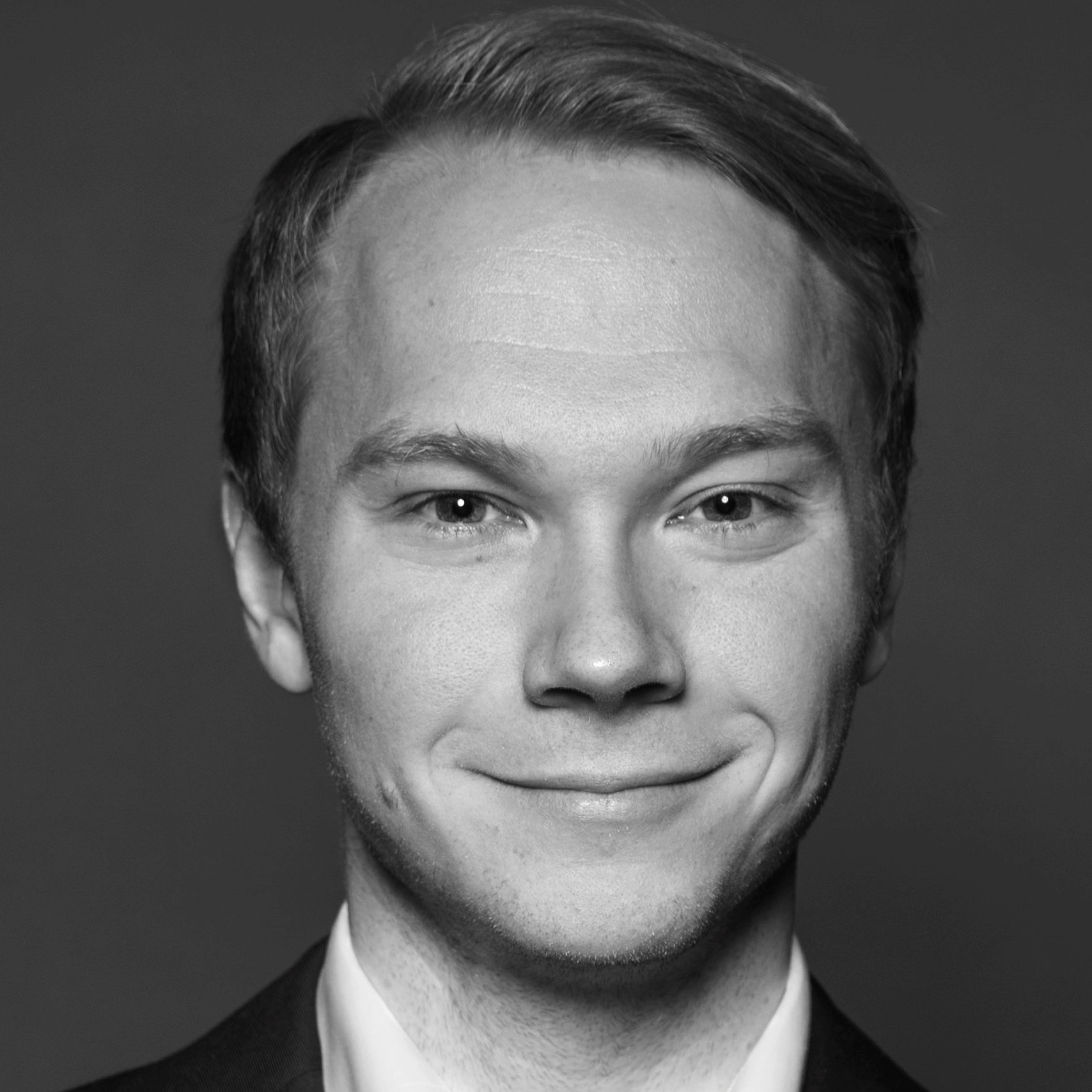
Equity Analyst – Life Science
Redeye
Filip will talk about the current investor trends in the life science and healthcare sectors, highlighting what the industry has experienced during the last couple of years. He will also explore what investors seek and share insights on how companies can position themselves to attract the right investors.
Filip Einarsson leads the Life Science team at Redeye, a leading investment bank specializing in Life Science and Technology. He has been with Redeye since 2020 and has extensive experience in analysis and investments within the sector. Prior to joining Redeye, he worked as an analyst at Biostock and has held leading positions in organisations such as Unga Aktiesparare. In addition to his professional career, he has been an active private investor for many years, with a focus on early-stage Life Science companies.
At Redeye, Filip leads the effort to analyze and map the Swedish-listed Life Science sector as a whole. He also covers companies within Biotech and Tools & Supplies and is involved in capital raises and transactions in both public and private markets.
Filip holds a BSc in Business Administration from Lund University and has pursued additional studies in Economics at Wirtschaftsuniversität Wien.
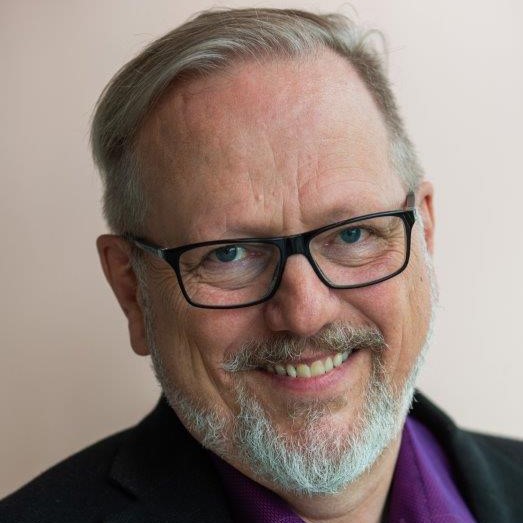
Photo: Jan Kwarnmark
Professor of Clinical Allergy, University of Gothenburg
Founder of Exocure
Exosome-based therapeutics represent the future of biological medicines, offering innovative solutions for targeted drug delivery and regenerative treatments. Exosomes are tiny extracellular vesicles that play a crucial role in cell communication, carrying proteins, RNA, and other bioactive molecules. Their natural ability to transfer therapeutic cargo makes them promising tools for developing safer and more effective medicines. Exocure is a pioneering company harnessing the potential of exosomes to revolutionize treatment strategies across various diseases. By leveraging cutting-edge research, Exocure aims to develop next-generation therapies that enhance drug efficacy, reduce side effects, and unlock new possibilities in personalized medicine.
Jan Lötvall is Professor at the Institute of Medicine at Göteborg University since 2002 where he directs a research laboratory studying exosomes. He is a medical specialist in both Clinical Allergy and Clinical Pharmacology and has long-term experience in translational studies of inflammatory diseases, as well as cancer. He has received extensive international recognition, as the lab was first to already in 2007 describe that exosomes can shuttle functional RNA between cells. Current research focus on harnessing the intrinsic function of exosomes to develop the next generation of therapies in complex diseases. The startup Exocure is managed through GU Ventures, and led by CEO Sören Melsing.
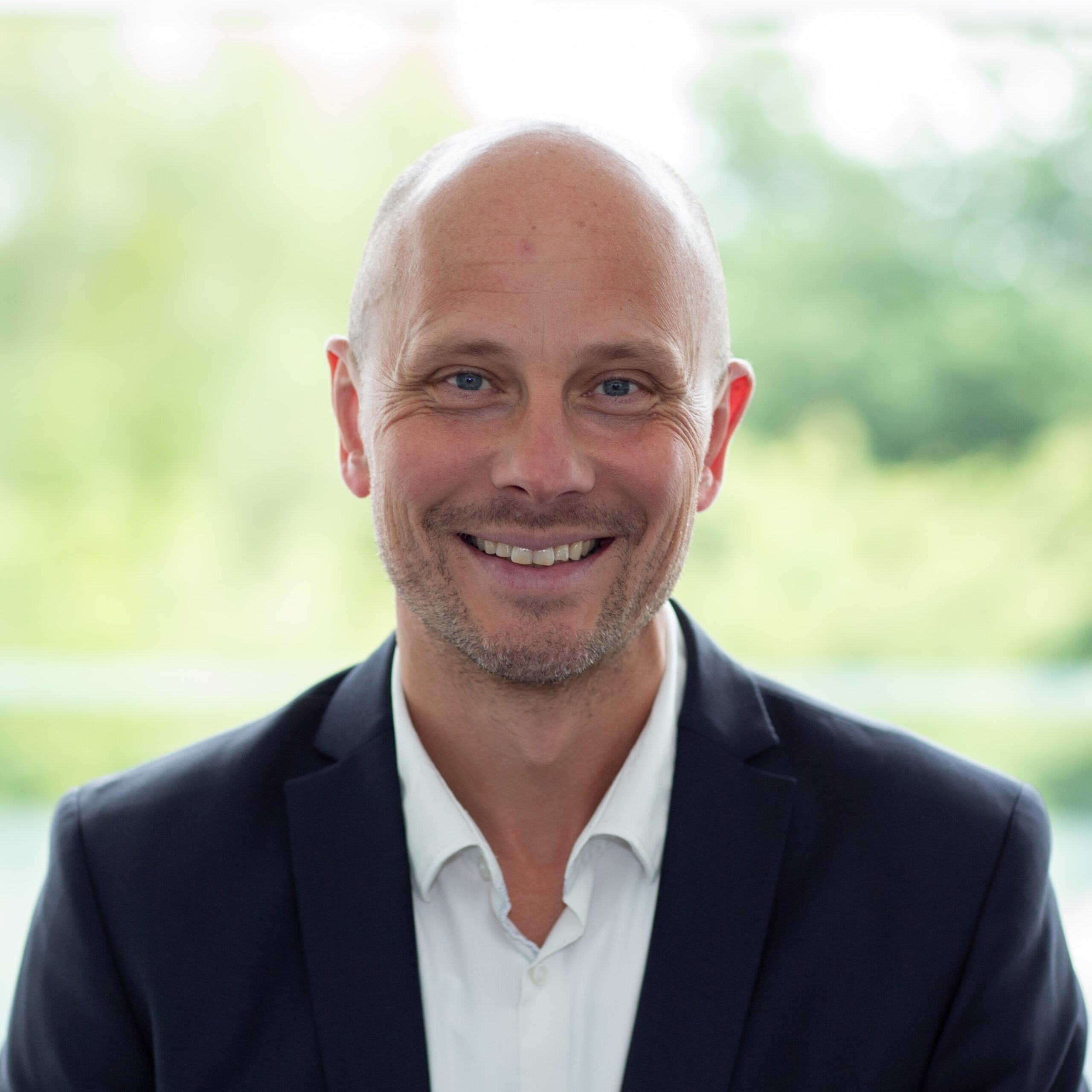
CEO
Exocure
Exosome-based therapeutics represent the future of biological medicines, offering innovative solutions for targeted drug delivery and regenerative treatments. Exosomes are tiny extracellular vesicles that play a crucial role in cell communication, carrying proteins, RNA, and other bioactive molecules. Their natural ability to transfer therapeutic cargo makes them promising tools for developing safer and more effective medicines. Exocure is a pioneering company harnessing the potential of exosomes to revolutionize treatment strategies across various diseases. By leveraging cutting-edge research, Exocure aims to develop next-generation therapies that enhance drug efficacy, reduce side effects, and unlock new possibilities in personalized medicine.
Mr. Melsing is the CEO of Excure Sweden AB and has proven track record in both drug R&D and the commercial side of the pharmaceutical business. Mr. Melsing holds a Chemical Engineering degree and a Master’s in Drug Development. and his career includes leadership roles at Orifarm, Galenica, Aspen Pharma, and LEO Pharma. In addition, Mr. Melsing serves as a board member on a Danish and a Swedish listed (small cap) company.
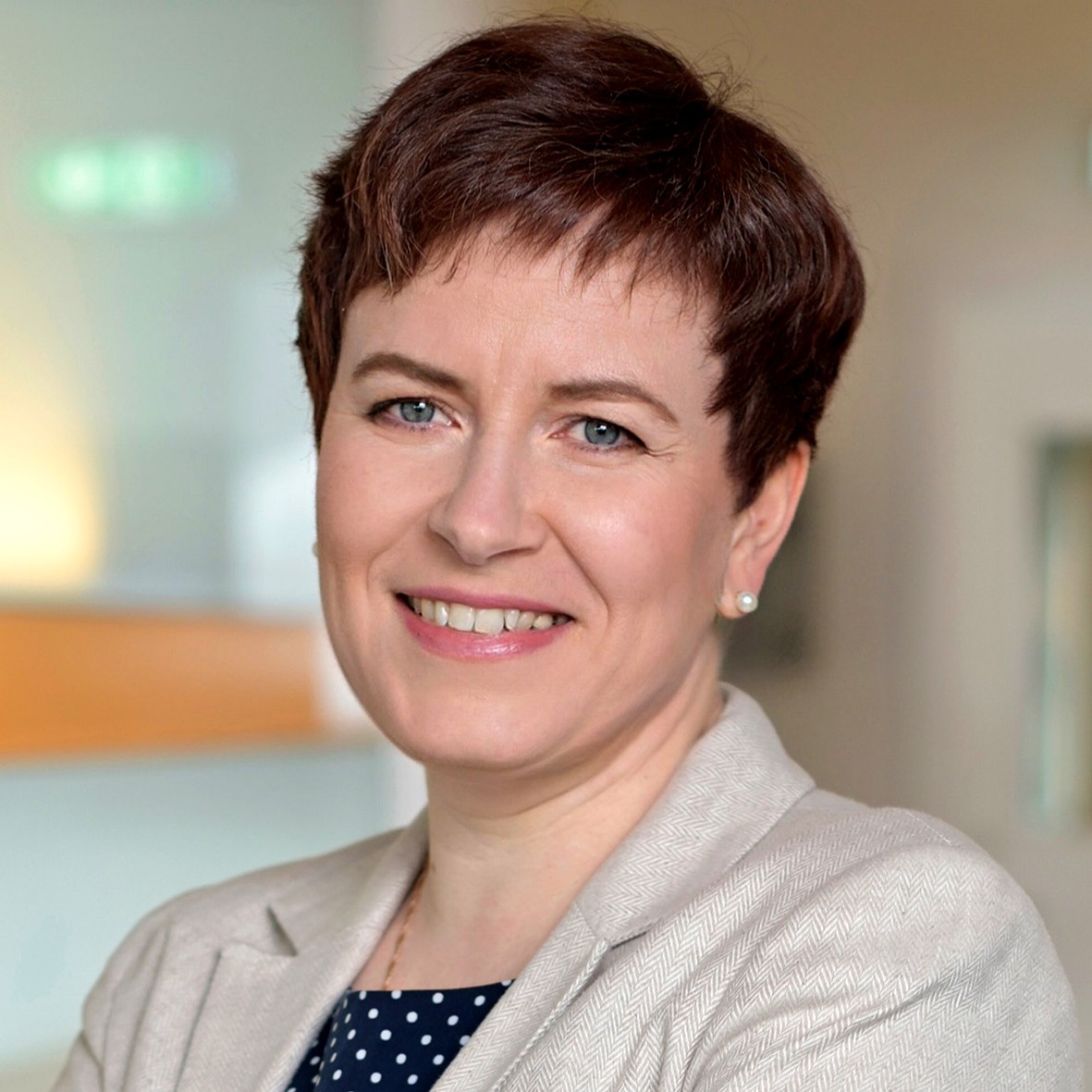
Principal Scientist Antibody Development
Atlas Antibodies
Precision medicine is transforming cancer care by enabling treatments tailored to individual genetic profiles. This talk will dive into the latest advancements in genomic sequencing, molecular diagnostics, and targeted therapies that are advancing oncology research and improving patient outcomes.
Eugenia has extensive experience in neuroscience, cancer research, and diagnostics, as well as in the development of antibodies for biomedical research and precision medicine. Her expertise provides valuable insights into how antibody-based tools support the advancement of cancer diagnostics and research. Eugenia is currently Principal Scientist Antibody Development at Atlas Antibodies. Previously, she worked as a Senior Research Scientist at AstraZeneca and as a postdoctoral researcher at Karolinska Institutet.
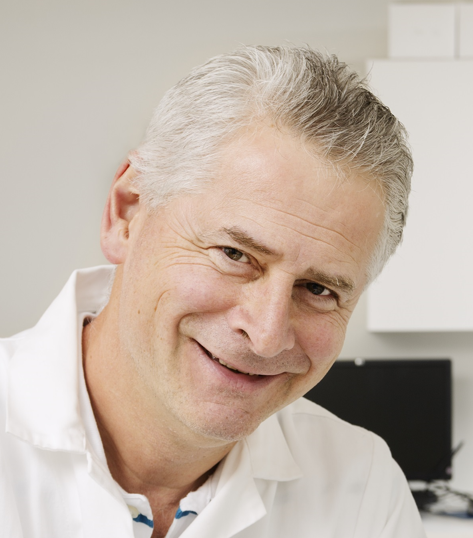
Professor
Precision BioAnalytics & Gothenburg University
Today’s methods have reached the ultimate sensitivity of detecting a single target molecule. This paves the way for minimally invasive molecular diagnostics as most powerful means for early diagnostics of patients, treatment monitoring and surveillance. Many methods are already established based on classical biomarkers like cell-free DNA, proteins and microRNAs. In my talk I will present some new molecular biomarkers including RNA Fragmentomics, hot-spot mutations, single cell profiling and spatial transcriptomics, including the discovery of the Regeneration Initiating Cells (RICs) that one day will make healing possible. I will also present a strategy to further enhance sensitivity and improve precision in molecular workflows by addressing the preanalytics.
Mikael was an early adopter of quantitative PCR (qPCR) and coauthored the MIQE guidelines that are cited 3 times daily, he contributed to the ISO guidelines, and recently coauthored the AAPS recommendations for cell and gene therapies. In 2001 Mikael cofounded TATAA Biocenter, which under his leadership became Europe’s leading provider of molecular service. His team introduced NIPT as the first liquid biopsy application in Sweden, and founded Life Genomics. He also co-founded SiMSen Diagnostics for personalized cancer monitoring, and the bioinformatics company MultiD Analysis. In 2023 TATAA Biocenter was taken from the founders, who became persecuted by SLAPP according to their lawyer. In 2024 Kubista received a mobility grant from the Swedish Foundation for Strategic Research to work with researchers at Gothenburg University, where he introduced RNA Fragmentomics and co-founded Runa Bio. Most recently, Kubista and his former colleagues and advisors started Precision BioAnalytics to support the community with highest quality and best performance bioanalytical services again.
Denna webbplats använder cookies för att säkerställa att du får den bästa upplevelsen på vår webbplats. Du kan alltid hantera dina inställningar i rutan här.
Hantera dina cookie preferenser här:
Bidrar till att tjänsten är säker och fungerar som den ska och för att komma ihåg dina cookie-inställningar. De går därför inte att stänga av.
Statistikcookies samlar in information anonymt. Denna information hjälper oss att förstå hur våra besökare använder vår webbplats.
Google Analytics is a powerful tool that tracks and analyzes website traffic for informed marketing decisions.
Service URL: policies.google.com
Hitta mer information i vår Cookie Policy.